
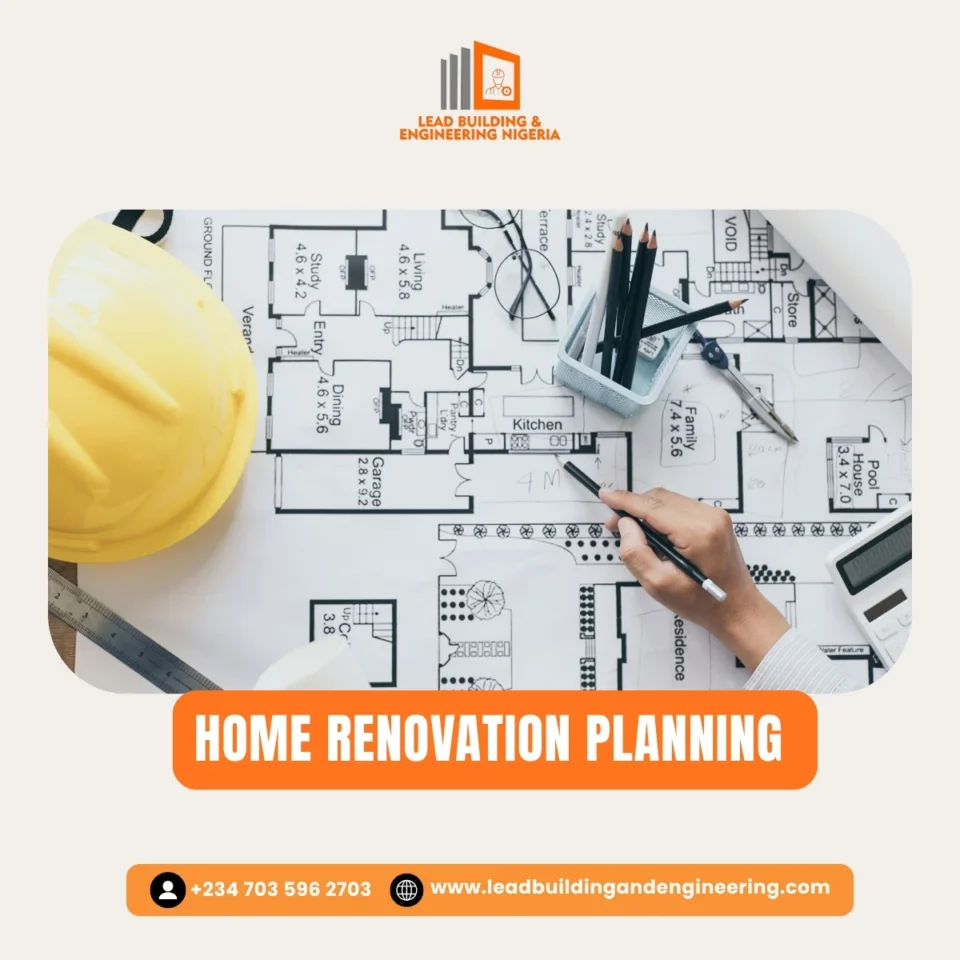
Renovating a home is one of the most rewarding investments a property owner can make, but it can also become overwhelming without a clear structure. From budgeting and material selection to contractor coordination and design execution, every stage requires careful attention to detail. Proper home renovation planning helps homeowners avoid unnecessary expenses, delays, and design mistakes while ensuring the final outcome aligns with their vision and lifestyle.
Whether the project involves upgrading a kitchen, modernizing a bathroom, improving energy efficiency, or transforming an entire property, the key to success lies in preparation. Many homeowners rush into renovations because they are excited about aesthetics, yet experienced professionals understand that strategy and organization matter just as much as creativity. Today, even artificial intelligence tools are beginning to influence construction workflows by helping professionals estimate costs, create 3D visualizations, and optimize project timelines. Could AI eventually predict renovation challenges before construction even begins? The industry is rapidly moving in that direction.
Define the Purpose of the Renovation
Before selecting tiles, paint colors, or furniture, homeowners should first identify the primary purpose of the project. Some renovations are intended to increase property value, while others focus on comfort, functionality, or modern aesthetics. Understanding the objective allows the entire process to remain focused and financially controlled.
Effective home renovation planning begins with questions such as:
- Is the renovation meant for personal living or resale?
- Which areas of the home need the most improvement?
- What lifestyle problems should the renovation solve?
- Is the project cosmetic, structural, or both?
A family with growing children may prioritize space optimization and durability, while a property investor may focus on market trends and resale appeal. Clarifying these goals early reduces confusion later in the project.
Establish a Realistic Budget
One of the biggest mistakes homeowners make is underestimating renovation costs. Materials, labor, permits, and unexpected structural issues can significantly increase expenses if there is no financial buffer. A well-structured budget creates discipline and prevents unnecessary overspending.
Successful home renovation planning should include:
- Labor costs
- Building materials
- Electrical and plumbing upgrades
- Interior finishes
- Permit fees
- Furniture and décor
- Emergency contingency funds
Experts often recommend setting aside an additional 10%–20% for unforeseen expenses. For example, a kitchen remodel initially estimated at $8,000 could easily rise to $10,000 if hidden plumbing or wiring issues are discovered. Planning for these surprises prevents project interruptions and financial stress.
Create a Detailed Renovation Timeline
Time management is another critical factor in any renovation project. Delays can increase labor costs, create inconvenience, and affect material availability. Establishing a realistic schedule helps coordinate contractors, suppliers, and inspections effectively.
A strong home renovation planning process includes milestone scheduling for demolition, construction, installations, inspections, and finishing touches. Instead of handling everything simultaneously, projects should follow a logical sequence. Structural work should always come before decorative finishes to avoid costly rework.
Homeowners should also consider seasonal conditions. Roofing projects, painting, and outdoor renovations are often easier during dry weather, while interior renovations can be completed year-round. Proper scheduling improves efficiency and reduces stress throughout the renovation period.
Work With Qualified Professionals
Hiring the right professionals can determine whether a renovation becomes a success or a costly mistake. Architects, engineers, interior designers, and contractors each bring specialized expertise that contributes to project quality and safety.
Reliable home renovation planning requires homeowners to:
- Verify contractor licenses and certifications
- Review past project portfolios
- Request written quotations
- Check customer reviews and references
- Establish clear contracts and deadlines
Choosing the cheapest contractor is not always the smartest decision. Low pricing sometimes reflects poor workmanship, inferior materials, or lack of experience. Skilled professionals may charge more initially, but they often save clients money by preventing errors and delivering long-lasting results.
Prioritize Functionality Over Trends
Modern design trends can be attractive, but functionality should always come first. A beautiful space that lacks practicality eventually becomes frustrating for daily use. Renovations should improve comfort, storage, accessibility, and efficiency while maintaining visual appeal.
Thoughtful home renovation planning balances aesthetics with long-term usability. For example:
- Open floor plans can improve natural lighting and movement
- Energy-efficient windows reduce electricity bills
- Smart storage solutions maximize small spaces
- Durable flooring materials improve longevity
Rather than blindly following online trends, homeowners should focus on timeless designs that remain valuable for years. Neutral palettes, quality materials, and flexible layouts often provide better long-term satisfaction than temporary design fads.
Choose Quality Materials Carefully
The quality of construction materials directly affects durability, maintenance costs, and property value. While premium materials may seem expensive initially, they often reduce repair and replacement expenses over time.
Strategic home renovation planning involves comparing material performance, maintenance requirements, warranties, and climate suitability. For instance:
- Quartz countertops offer durability and low maintenance
- Porcelain tiles resist moisture effectively
- Hardwood flooring adds long-term value
- LED lighting improves energy efficiency
Homeowners should avoid selecting materials based solely on appearance. Products must also withstand daily wear, environmental conditions, and long-term use. Consulting experienced professionals during material selection can prevent expensive regrets later.
Integrate Technology and Smart Features
Technology is rapidly transforming modern homes, making convenience, efficiency, and security more accessible than ever. Renovations provide an excellent opportunity to integrate smart systems that enhance everyday living.
Advanced home renovation planning may include:
- Smart lighting systems
- Automated security cameras
- Voice-controlled appliances
- Smart thermostats
- Energy monitoring systems
Artificial intelligence is also becoming increasingly relevant in residential construction. AI-powered software can analyze floor plans, estimate project costs, and recommend energy-saving improvements. Some platforms can even generate realistic 3D renovation previews before construction begins, helping homeowners make more informed design decisions.
These innovations not only improve convenience but can also increase property value and reduce operational costs in the long run.
Focus on Communication Throughout the Process
Clear communication is essential between homeowners, contractors, designers, and suppliers. Misunderstandings often lead to delays, additional expenses, and dissatisfaction with the final result.
Consistent home renovation planning should involve regular project meetings, documented updates, and transparent discussions about changes or challenges. Homeowners should ask questions whenever uncertainties arise rather than making assumptions.
Maintaining open communication also helps contractors address issues quickly before they escalate into larger problems. Strong collaboration creates smoother workflows and better overall project outcomes.
Conclusion
A successful renovation project requires far more than creativity and enthusiasm. Careful budgeting, realistic scheduling, professional collaboration, quality materials, and functional design all contribute to achieving lasting results. With proper preparation, homeowners can transform their properties into more comfortable, efficient, and visually appealing spaces while avoiding unnecessary stress and costly mistakes.
As construction technology continues to evolve, artificial intelligence and smart systems are reshaping how renovations are planned and executed. The future of the industry will likely combine traditional craftsmanship with intelligent digital solutions that improve precision and efficiency.
For homeowners seeking reliable guidance, quality workmanship, and professional execution, clients should reach out to Lead Building and Engineering for expert renovation and construction solutions tailored to modern living standards.
