
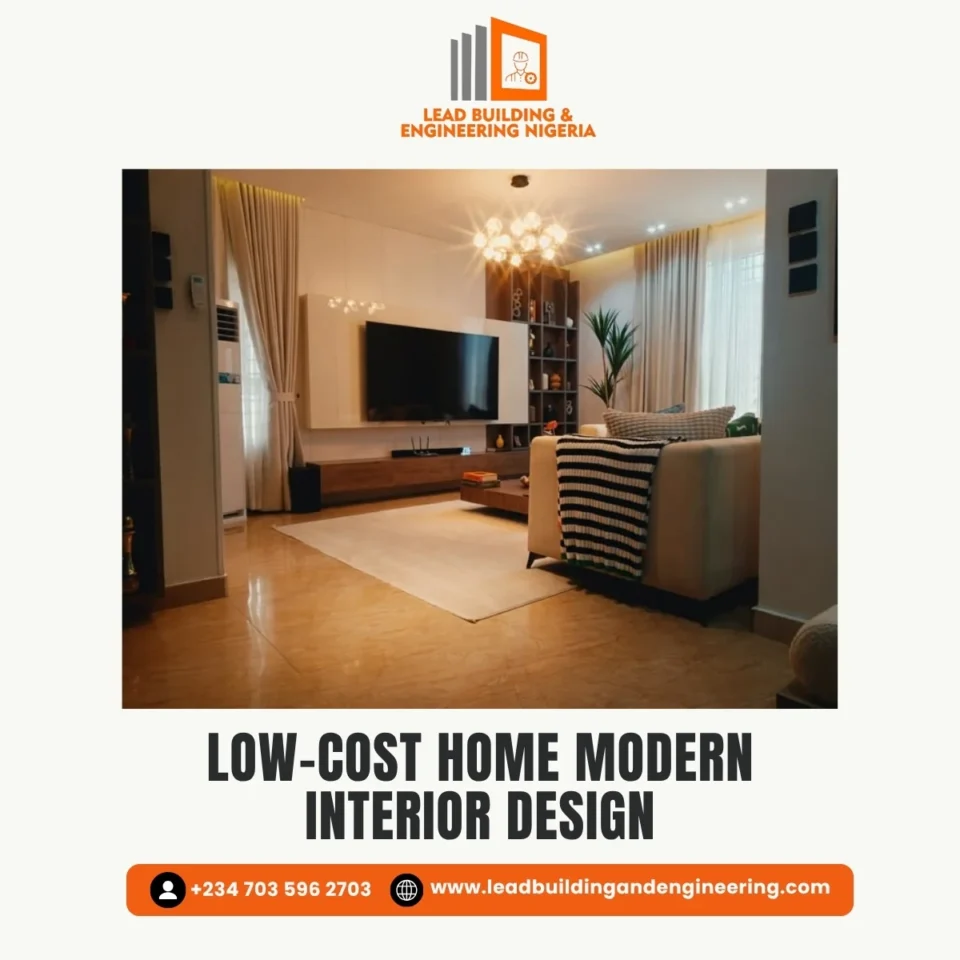
Creating a beautiful, modern home does not have to cost a fortune. With thoughtful planning, affordable materials, and creative design choices, homeowners can transform ordinary spaces into stylish, comfortable, and functional environments. Low-cost home modern interior design focuses on achieving an elegant appearance while making the most of available resources. Whether you are decorating a new apartment, renovating an existing house, or upgrading a family home in Abuja, the right approach can help you achieve impressive results without unnecessary expenses.
Start with a Clear Interior Design Budget
One of the most important steps in achieving low-cost home modern interior design is establishing a realistic budget before purchasing materials or hiring professionals. Identify the areas that require immediate attention, such as flooring, ceilings, lighting, painting, furniture, or kitchen cabinets. Prioritise essential improvements and allocate funds accordingly.
For example, instead of renovating every room at once, you can begin with the sitting room and gradually improve the bedrooms, kitchen, and bathrooms. This approach helps you manage expenses while maintaining a consistent design throughout your home. A well-planned budget also reduces waste, prevents impulsive purchases, and ensures that your money is spent on improvements that make a visible difference.
Choose Simple and Modern Colour Combinations
Colour is one of the most affordable ways to change the appearance of a home. For low-cost home modern interior design, neutral shades such as white, cream, beige, light grey, and soft brown create a clean and sophisticated atmosphere. These colours also make smaller rooms appear brighter and more spacious.
You can introduce personality through carefully selected accent colours, including olive green, navy blue, charcoal, or muted gold. Rather than purchasing expensive decorative materials, use colourful cushions, curtains, rugs, artwork, or a feature wall to create visual interest. A balanced colour scheme makes your home look coordinated and modern without requiring major structural changes.
Invest in Affordable but Stylish Furniture
Furniture plays a significant role in determining the overall appearance and functionality of your home. Low-cost home modern interior design does not require filling every room with expensive furniture. Instead, choose a few practical, well-designed pieces that serve your needs and complement the available space.
Consider multifunctional furniture, such as storage beds, extendable dining tables, nesting tables, and sofas with hidden storage. These options are particularly useful for smaller apartments because they combine convenience with style. You can also refurbish existing furniture by repainting wooden surfaces, changing handles, replacing upholstery, or polishing worn finishes. With careful selection, affordable furniture can deliver a premium appearance without stretching your budget.
Use Lighting to Improve Your Interior Spaces
Lighting can make a simple room feel warm, spacious, and luxurious. For low-cost home modern interior design, take advantage of natural light by using lightweight curtains, keeping windows unobstructed, and arranging furniture to avoid blocking daylight.
For artificial lighting, consider energy-efficient LED bulbs, modern pendant lights, wall sconces, and simple ceiling fixtures. Warm lighting can create a relaxing atmosphere in bedrooms and sitting rooms, while brighter neutral lighting is useful in kitchens and work areas. You do not need elaborate chandeliers in every room to achieve an attractive finish. A few carefully positioned light sources can improve the mood, functionality, and appearance of your home.
Select Cost-Effective Flooring and Ceiling Designs
Flooring and ceiling finishes can significantly influence the overall cost of a renovation. A practical low-cost home modern interior design strategy is to select durable materials that provide a neat appearance without unnecessary decoration.
Depending on your budget and the condition of the property, options may include affordable ceramic tiles, suitable vinyl flooring, laminate flooring, or refinishing an existing floor. For ceilings, simple designs with clean lines can look contemporary without the cost of complicated patterns and extensive decorative features.
Before selecting materials, consider durability, maintenance requirements, installation costs, and suitability for each room. For example, moisture-resistant materials are important in bathrooms and kitchens. Working with experienced professionals can help you avoid costly mistakes and choose finishes that provide long-term value.
Decorate with Affordable Accessories
Accessories help make a house feel personal and complete. Low-cost home modern interior design can incorporate affordable wall art, indoor plants, decorative mirrors, cushions, rugs, and carefully arranged ornaments to create a welcoming atmosphere.
Mirrors are particularly useful because they reflect light and can make compact rooms feel more open. Indoor plants introduce natural beauty, while matching cushions and curtains help create a coordinated appearance. However, avoid overcrowding your rooms with unnecessary decorations. Modern interiors often look best when there is enough open space for the important features to stand out.
Rather than purchasing every accessory at once, decorate gradually and select items that complement your existing furniture and colour scheme.
Embrace Smart Technology Without Overspending
Can artificial intelligence help homeowners achieve affordable modern interiors? Yes. AI-powered interior design tools can help users explore colour combinations, furniture arrangements, room layouts, and decorative concepts before spending money on physical changes.
For low-cost home modern interior design, these tools can provide inspiration and help homeowners compare different styles before committing to a particular idea. Smart lighting, automated switches, and selected energy-efficient devices can also improve convenience and help manage electricity use when properly configured.
However, AI-generated designs should be treated as planning references rather than final construction instructions. Measurements, electrical safety, ventilation, structural requirements, and installation costs still need professional consideration. Selecting only the technologies that provide practical benefits can help you modernise your home without unnecessary expenditure.
Maximize Space and Reuse Existing Materials
Making effective use of available space is another essential principle of low-cost home modern interior design. Remove unnecessary items, organise storage areas, and arrange furniture to create clear pathways. A tidy room often feels more attractive and spacious without requiring additional spending.
You can also reuse materials and furniture that remain in good condition. Existing wooden doors, cabinets, shelves, and tables may need only minor repairs, new finishes, or updated hardware. Repurposing these items reduces waste and allows you to invest more of your budget in areas that genuinely need improvement.
Before discarding anything, assess whether it can be repaired, refinished, or adapted to suit your preferred interior style.
Work with Professional Interior Design and Building Experts
Although do-it-yourself projects can reduce some expenses, professional guidance can prevent expensive mistakes. For low-cost home modern interior design, experienced building and engineering professionals can help assess the property, recommend suitable materials, coordinate installations, and ensure that essential technical work is completed correctly.
Professionals can also help you identify where to save and where spending more initially may provide better long-term value. For instance, cutting corners on electrical installations, waterproofing, or structural repairs can lead to costly problems later.
A carefully managed project combines affordability, functionality, safety, and visual appeal. The goal is not simply to spend less, but to achieve the best possible results from the available budget.
Conclusion
Achieving an elegant home does not require an unlimited budget. Through thoughtful planning, affordable materials, simple colour schemes, functional furniture, effective lighting, and creative reuse, low-cost home modern interior design can transform ordinary spaces into beautiful and comfortable homes. The key is to balance style, durability, practicality, and cost while avoiding unnecessary expenses.
For homeowners seeking professional guidance on affordable renovations, modern finishes, space planning, and quality building solutions, reach out to Lead Building and Engineering. Their expertise can help you plan your project carefully, make informed material choices, and create a modern home that reflects your taste while respecting your budget. Start your transformation with a clear plan and make every investment count.
