
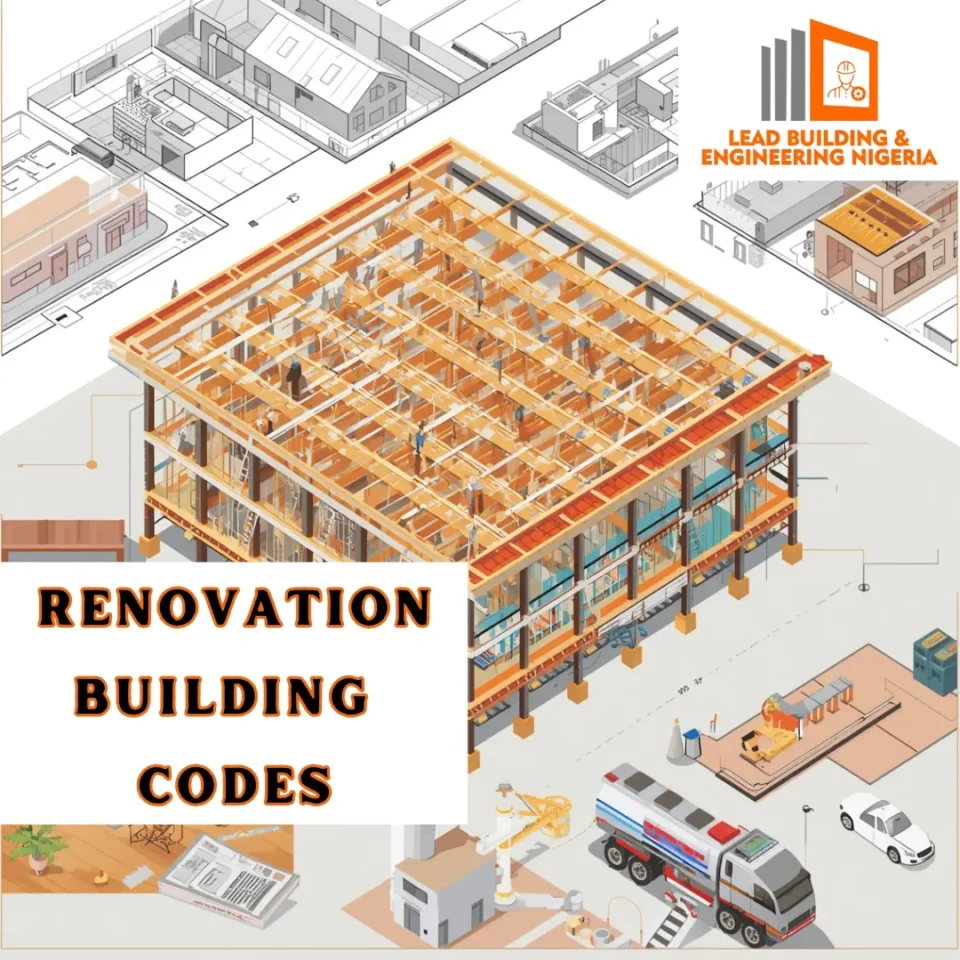
When planning a renovation, excitement often centers around design choices, materials, and the final look of your space. However, one critical factor that can significantly shape your project is compliance with regulations. Understanding the renovation building codes effect is essential because these codes are not just bureaucratic hurdles, they are safeguards designed to ensure safety, durability, and efficiency. Whether you’re upgrading electrical systems, modifying plumbing, or making structural changes, building codes influence what you can do, how you do it, and how much it will cost.
What Are Building Codes and Why Do They Matter?
Building codes are standardized regulations established by local or national authorities to ensure construction safety and performance. The renovation building codes effect becomes evident when these rules dictate acceptable materials, installation methods, and design parameters. These codes are constantly updated to reflect new technologies, environmental concerns, and safety practices. Ignoring them can lead to fines, project delays, or even forced demolition of non-compliant work, making compliance a non-negotiable part of any renovation plan.
Electrical Renovations and Code Compliance
Electrical upgrades are among the most regulated aspects of renovation due to safety risks like fire hazards and electrocution. The renovation building codes effect in electrical work often requires proper wiring standards, circuit load calculations, grounding systems, and the installation of safety devices such as circuit breakers and surge protectors. For instance, adding new appliances or lighting systems may require upgrading your electrical panel to handle increased load capacity. Failure to meet these standards can compromise safety and invalidate insurance coverage.
Plumbing Changes and Regulatory Requirements
Plumbing renovations also fall under strict guidelines to prevent leaks, contamination, and inefficiencies. The renovation building codes effect ensures that water supply lines, drainage systems, and venting are properly installed and maintained. Codes may specify pipe materials, slope gradients for drainage, and backflow prevention systems. For example, relocating a bathroom or kitchen often requires reconfiguring plumbing systems to meet these standards, which can impact both design flexibility and overall renovation costs.
Structural Modifications and Safety Standards
Structural changes, such as removing walls or adding extensions, are heavily scrutinized because they affect the integrity of the building. The renovation building codes effect in this context ensures that load-bearing elements are preserved or properly reinforced. Engineers may need to assess the building’s foundation, beams, and columns before approving modifications. This process often involves permits and inspections, ensuring that the renovated structure can safely support its intended load without risk of collapse.
Permits, Inspections, and Project Timelines
One of the most noticeable aspects of the renovation building codes effect is the requirement for permits and inspections. Before starting work, you typically need approval from local authorities, and throughout the project, inspections ensure compliance at each stage. While this process can extend timelines, it also provides a layer of accountability and quality assurance. Skipping permits may seem like a shortcut, but it often leads to costly legal and structural issues down the line.
Cost Implications of Building Code Compliance
Budgeting for a renovation must account for compliance-related expenses. The renovation building codes effect can increase costs due to higher-quality materials, professional labor, and permit fees. However, these costs should be viewed as investments in safety and long-term value. Non-compliant work may require redoing, which is often more expensive than doing it correctly the first time. Additionally, properties that meet code standards tend to have higher resale value and are easier to insure.
The Role of Technology and AI in Navigating Codes
Modern technology is transforming how homeowners and professionals approach compliance. The renovation building codes effect is becoming easier to manage with digital tools that streamline design, planning, and documentation. AI-powered platforms can analyze renovation plans and flag potential code violations before construction begins. This raises an important question: can AI eventually automate compliance checks entirely, reducing human error and speeding up approvals? While promising, human expertise remains essential for interpreting complex regulations and making informed decisions.
Balancing Creativity with Compliance
Renovation is as much about creativity as it is about functionality, but codes can sometimes feel restrictive. The renovation building codes effect requires homeowners to balance their vision with practical limitations. Working with experienced professionals can help you find innovative solutions that meet both aesthetic goals and regulatory requirements. For example, creative design adjustments can often achieve the desired look while staying within code limits, ensuring that your project is both beautiful and compliant.
Conclusion
Understanding how building codes influence your renovation is crucial for a successful project. From electrical and plumbing systems to structural changes and permits, the renovation building codes effect touches every aspect of the process. Rather than viewing these regulations as obstacles, it’s more productive to see them as frameworks that protect your investment and ensure long-term safety. If you’re planning a renovation and want expert guidance to navigate these complexities seamlessly, reach out to Lead Building and Engineering for professional support and tailored solutions.
