
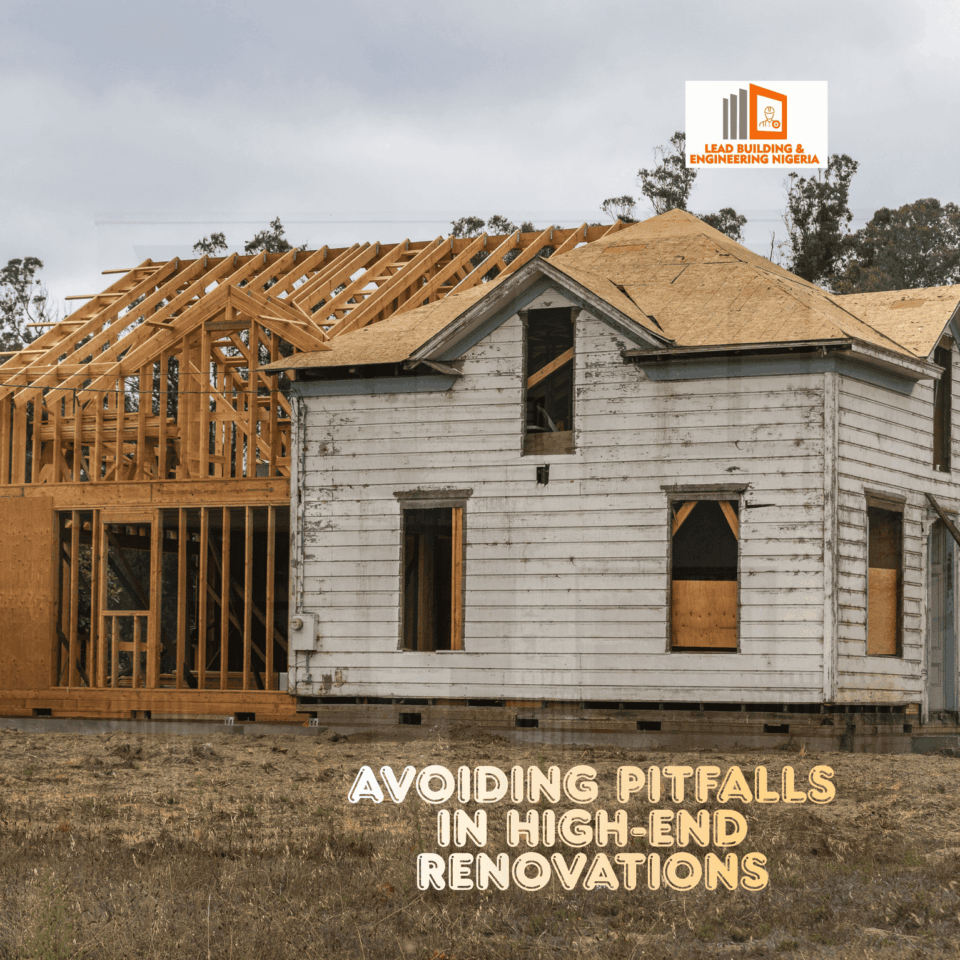
Luxury renovation projects promise unsurpassed craftsmanship, aesthetic development, and life-changing experiences. Still, even the most premium budgets cannot save many high-end remodels from falling under unforeseen pressures: misaligned expectations, technical oversights, mismanaged timelines, and inadequate coordination of contractors. Understanding the root cause of such failures becomes indispensable for homeowners and developers seeking sophisticated renovation. This article investigates why upscale renovation initiatives derail and identifies strategic pathways to avoiding pitfalls in high-end renovations in a highly structured and sustainable manner.
Misalignment between vision and feasibility
One of the frequent reasons why a luxury renovation will fail is because there is a huge gap between what a client aspires for and what is technologically or legally feasible. Where homeowners may want large, open layouts, changes in structure or limitations of load-bearing may not allow it. Similarly, the expectation of having ultra-modern fixtures or imported materials runs right into procurement constraints. High-end renovations require design elements to be vetted by architects, engineers, and consultants to avoid pitfalls.
Budget Underestimation and Hidden Costs
Premium projects are those that demand premium budgeting. However, most clients have a difficult time understanding what a high-end remodel actually means in terms of cost. Specialty finishes, custom carpentry, sophisticated automation systems, and imported materials often bring with them budget increases. In other cases, unforeseen site conditions, bad wiring, old plumbing, or compromised structural elements will drive up costs further. Pitfalls to avoid in high-end renovations require incorporating contingency allowances, transparent cost modeling, and active financial tracking for maintaining budget discipline.
Poor contractor coordination and weak project oversight
Luxury renovation projects typically involve a wide array of experts: architects, interior designers, electricians, HVAC technicians, artisans, landscape professionals, and smart home integrators. Miscommunication and failures in coordination among these stakeholders lead to duplication of effort, mismatched craftsmanship, and extended delays. High-end renovation success relies on strict oversight, consolidated communication, and a project manager coordinating teams and timelines.
Overlooking Structural and Technical Assessments
While high-end renovations often focus much on aesthetics, structural integrity and compliance with building standards are essential. Without such extensive structural examination, some of the severe defects that can arise include foundation problems, insufficient load-carrying capacity, and water seepage. Similarly, neglecting to conduct technical tests, such as electrical load-carrying capacity or plumbing efficiency, can also affect the safety and performance of the property. The avoidance of pitfalls in high-end renovations, particularly those upgrading older properties, cannot be done without detailed structural and mechanical audits.
Procuring Low-Quality Materials in a Premium Project
A surprising factor contributing to failure in luxurious upgrades includes the use of low-grade materials within an otherwise elite framework. At times, contractors select cheaper substitutes to save on costs or hasten procurement. While it might offer temporary ease, it carries long-term implications of premature wear, variable finishes, and increased demands for maintenance. A disciplined strategy for material procurement stands indispensable for avoidance of pitfalls in high-end renovations, one that gives emphasis to authenticity, warranty, and supplier credibility.
Unrealistic Timelines and Scheduling Conflicts
Luxury renovations are considerably more complicated by nature compared to typical remodeling work. Such projects involve specialty materials, craftsmanship, and technology, all of which require very time-consuming processes. Unrealistic timelines lead to hurried decisions, lousy workmanship, and mistakes piling up. Besides, unexpected delays, weather disruptions, interruptions to supply chains, or even permit approvals, can go off the rails. To avoid pitfalls in high-end renovations, clients should include flexible scheduling buffers and staged strategies to maintain quality and control throughout the project execution.
Neglecting the Use of Emerging Technologies and Intelligent Solutions
The future for the luxury renovation is increasingly driven by automation, data-driven planning tools, and intelligent construction technologies. Neglecting modern solutions such as smart sensors and AI in premium renovations can result in obsolescence. Property owners can use AI for risk anticipation, optimizing materials, and enhancing design precision.Embracing technology is a prime factor in avoiding pitfalls found in high-end renovations and ensuring long-term appreciation in value.
Poor Risk Management and Compliance Oversight
Even the most aesthetically pleasing renovation can fall apart if regulatory requirements are not adhered to. Improper permitting, zoning violations, and missing safety documents can bring significant fines, building stops, or expensive redesigns. Further, insufficient insurance coverage opens clients up to risk of financial responsibility. A sound compliance plan-one that meets or exceeds local building codes and regulatory requirements-is integral to avoiding missteps in high-end renovation projects and protecting both property integrity and legal position.
Poor Communication Throughout the Project Lifecycle
Failures in communication between the homeowners and contractors result in confusion over scope, misinterpreted decisions, and dissatisfaction. Weekly progress reports, visual mock-ups of designs, and approval documentation ensure that alignment occurs at every stage. The clarity in the dialogue reduces disputes and increases accountability. Therefore, improving communication is an integral ingredient in the avoidance of pitfalls in high-end renovations and project cohesion.
Failure to Conduct Post-Project Evaluation and Quality Assurance
A high-end renovation does not end with the project handover. Without thorough post-renovation inspections, minor defects can scale up to big issues. Quality assurance reviews permit contractors to correct imperfections and confirm that all systems, HVAC, electrical, plumbing, automation, are working properly. Providing this final check as a must is one of the strategic ways to avoid high-end renovation pitfalls and ensure long-term structural and functional excellence.
Conclusion
High-end renovations thrive when vision, strategy, technical execution, and stakeholder coordination align with precision. Successful outcomes arise from disciplined planning, informed decisions, structural assessments, material authenticity, and technology integration. In light of these considerations, property owners desiring excellence in avoiding pitfalls in high-end renovations should take as the most critical step partnering with a team that truly understands the many dimensions of premium construction. For seamless execution and world-class results, clients should look no further than comprehensive, expert-led renovation solutions from Lead Building and Engineering.
