
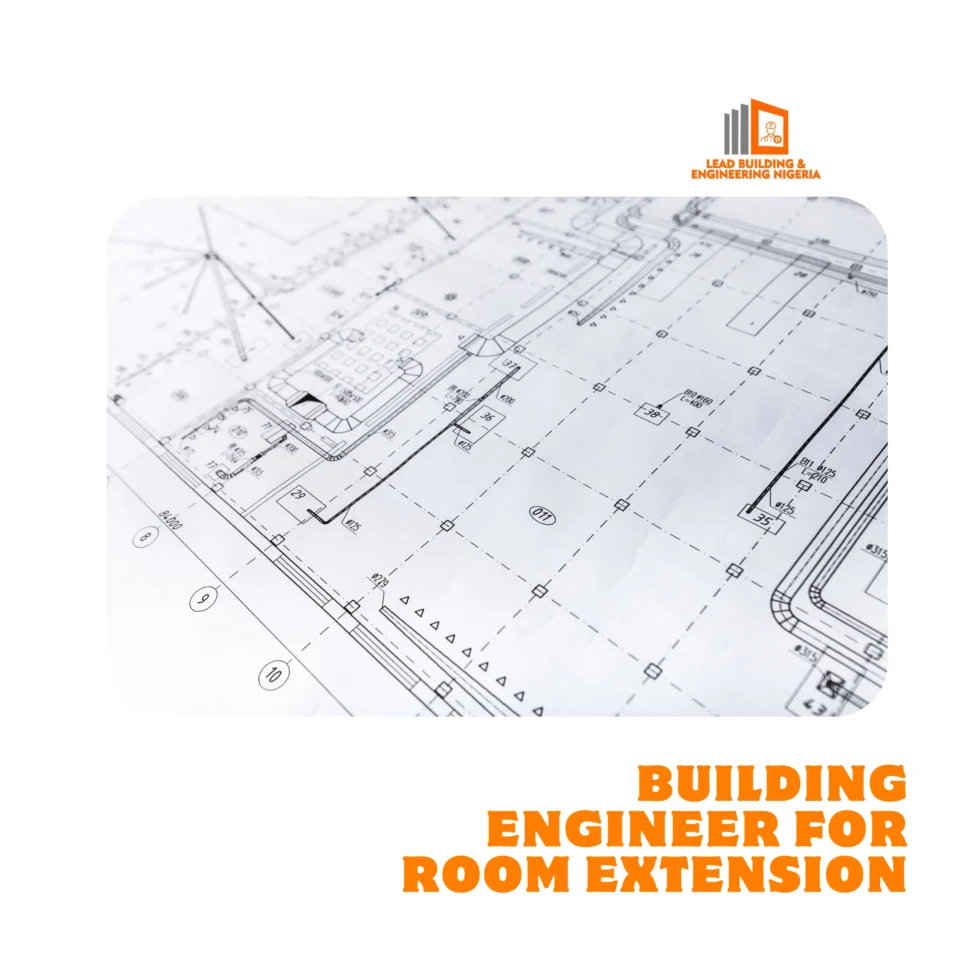
When planning to expand your home, whether by adding a new room or building a second story, one of the first questions that comes to mind is: who should I hire? Many homeowners struggle to decide between an architect and an engineer, often assuming they perform the same role. While both professionals are essential in construction, they bring different expertise to the table. Understanding their responsibilities will help you make the right decision, avoid costly mistakes, and ensure your project is structurally sound and visually appealing. In most cases, working with a building engineer for room extension becomes a critical part of the process, especially when safety and compliance are involved.
Role of an Architect
An architect primarily focuses on design, aesthetics, and spatial planning. If your goal is to create a visually appealing extension that blends seamlessly with your existing structure, an architect is often your starting point. They consider factors like natural lighting, ventilation, layout efficiency, and how the new space will function within your home.
For example, if you’re adding a second story, an architect will help you visualize how the upper level integrates with the existing structure, ensuring it complements your lifestyle and design preferences. However, Architects design, but rely on engineers to confirm structural feasibility; a building engineer for room extension ensures safe and practical implementation of designs.
Role of a Building Engineer
A building engineer, often referred to as a structural engineer, focuses on the integrity and safety of the structure. Their job is to calculate loads, assess materials, and ensure that your home can support the additional weight of a new room or second story.
For instance, if you are planning a vertical extension, the engineer will evaluate your foundation, walls, and existing framework to determine whether reinforcements are needed. They also produce technical drawings and specifications that contractors follow during construction. Without this expertise, you risk structural failures, cracks, or even collapse over time. This is why hiring a building engineer for room extension is not just advisable, it is often mandatory for approvals and permits.
Do You Need Both Professionals?
In many real-world projects, the answer is yes. Architects and engineers often collaborate to deliver a successful outcome. The architect designs the space, while the engineer ensures it is structurally viable. This collaboration is especially important for complex projects like adding a second story, where both aesthetics and safety must align.
However, for simpler projects, such as a small room extension, you might only need an engineer, particularly if the design is straightforward. In such cases, a building engineer for room extension can handle both the structural planning and basic layout considerations, reducing costs while maintaining safety standards.
Key Factors That Determine Your Choice
Several factors influence whether you need an architect, an engineer, or both:
- Project Complexity: Larger and more complex designs typically require both professionals.
- Structural Changes: Any modification involving load-bearing walls or foundations requires engineering input.
- Budget: Hiring both professionals increases costs but reduces risks.
- Local Regulations: Many building authorities require engineering approval before construction begins.
Even if your project seems simple, consulting a building engineer for room extension early can help identify hidden structural issues and prevent expensive corrections later.
The Risks of Skipping Professional Guidance
Some homeowners attempt to cut costs by going directly to a contractor without consulting an architect or engineer. While this might seem economical at first, it often leads to serious problems, including poor design, structural instability, and legal complications.
For example, adding a second story without proper structural assessment can overload your foundation, leading to long-term damage. Similarly, poorly planned extensions can result in awkward layouts or reduced property value. Engaging a building engineer for room extension ensures that your project meets safety standards and complies with building codes, protecting both your investment and your family.
How Technology and AI Are Changing the Process
Interestingly, modern technology is transforming how architects and engineers approach construction projects. AI-powered tools can now generate design concepts, simulate structural performance, and even predict potential risks before construction begins.
This raises an important question: Can AI eventually replace traditional roles in construction planning? While AI enhances efficiency and accuracy, it still cannot replace the practical expertise and on-site judgment of professionals. Instead, it acts as a powerful support tool. Even with advanced technology, the role of a building engineer for room extension remains indispensable, as human oversight is crucial for interpreting data and making real-world decisions.
Cost Considerations
Budget is always a key concern for homeowners. Architects typically charge based on a percentage of the project cost or a fixed design fee, while engineers may charge for structural assessments and drawings.
Hiring both professionals raises initial costs but saves money long-term by avoiding design flaws. For tight budgets, prioritize a building engineer for structural safety, even if the design is simpler.
Conclusion
Deciding whether to hire an architect, an engineer, or both ultimately depends on the scope and complexity of your project. While architects bring creativity and design expertise, engineers ensure that your vision is safe, stable, and compliant with regulations. For most room extensions and especially second-story additions, engineering input is non-negotiable.
If you’re planning to expand your home and want a seamless, stress-free experience, it’s best to consult professionals who understand both the technical and practical aspects of construction. For reliable guidance and expert execution, clients should reach out to Lead Building Engineering to ensure their project is handled with precision, safety, and professionalism.
