
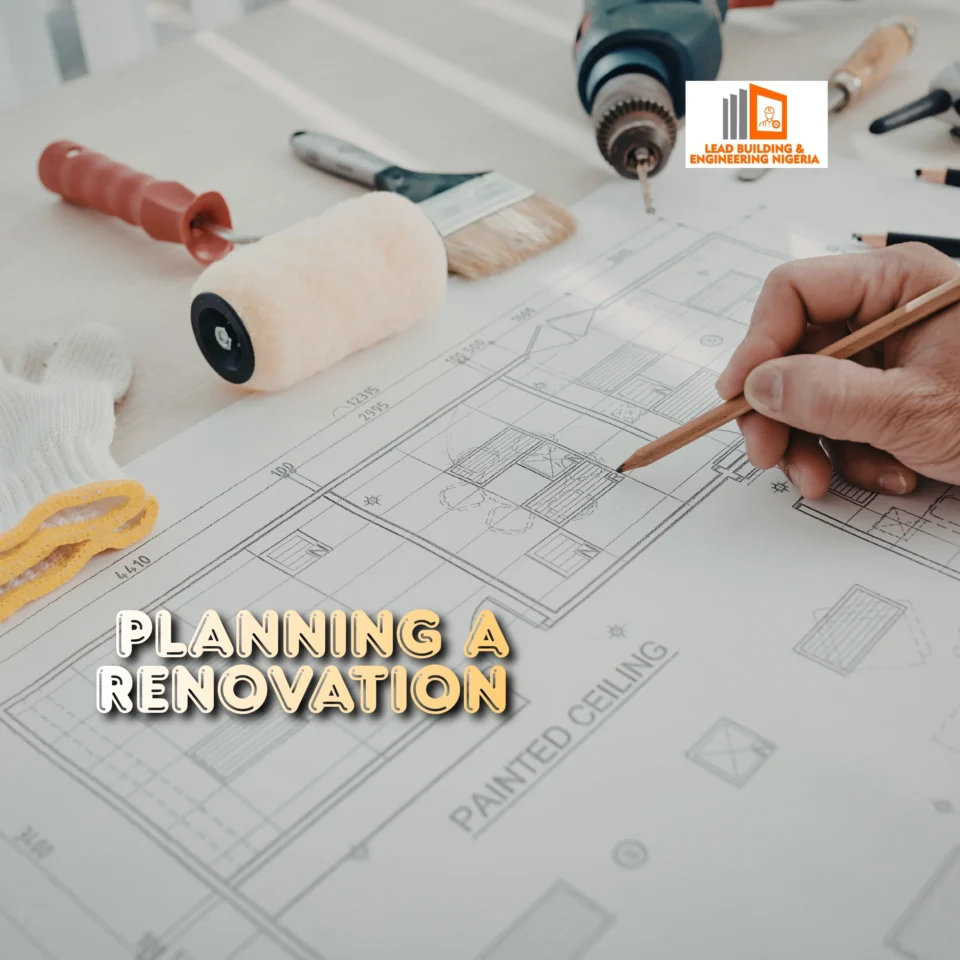
Embarking on a home or commercial upgrade can feel both exciting and overwhelming. The idea of transforming your space into something more functional, beautiful, and valuable often comes with many questions. Where should you begin? Who should you consult? How much will it cost? The truth is, planning a renovation requires a structured approach, informed decisions, and the right professional support. Whether you’re upgrading a residential property or improving a commercial facility, a clear roadmap will help you avoid costly mistakes and unnecessary delays.
Define Your Goals and Vision
The first and most important step in planning a renovation is identifying exactly what you want to achieve. Are you looking to increase property value, improve functionality, modernize outdated finishes, or create additional space? Your objective will shape every decision that follows.
Start by writing down:
- The specific areas you want to renovate
- The problems you’re trying to solve
- Features you wish to add
- Your long-term expectations for the property
At this stage, clarity is more important than perfection. You don’t need technical drawings yet, just a solid understanding of your goals. A renovation without a defined purpose often leads to scope creep, inflated budgets, and dissatisfaction.
Establish a Realistic Budget
Budgeting is the backbone of planning a renovation because it determines the scope, materials, and professionals you can engage. Without a realistic financial framework, even the best ideas can collapse mid-project.
When building your budget, consider:
- Design and consultation fees
- Material costs
- Labor and contractor fees
- Permits and regulatory approvals
- Contingency fund (at least 10–20% for unforeseen issues)
Renovations frequently uncover hidden problems such as structural weaknesses, outdated electrical systems, or plumbing defects. A contingency buffer protects you from financial strain when surprises arise.
Be honest about your spending capacity. It’s better to phase a renovation strategically than to abandon a project halfway due to insufficient funds.
Conduct a Property Assessment
Before committing to structural changes, you must evaluate the current state of your building. Structural integrity, foundation stability, roofing condition, electrical wiring, plumbing systems, and ventilation must all be inspected.
Professional engineers or building consultants can conduct:
- Structural assessments
- Soil and foundation analysis
- Electrical load evaluation
- Water and drainage inspection
This technical review ensures your renovation plans are safe and compliant with building regulations. Skipping this step may lead to serious safety risks or regulatory penalties later.
Research Regulations and Permits
One of the most overlooked aspects of planning a renovation is regulatory compliance. Every region has building codes and zoning regulations that govern what changes you can legally make.
You may need:
- Building permits
- Structural approval
- Environmental clearance
- Homeowner association consent
Failure to obtain proper approvals can result in fines, demolition orders, or legal complications when selling the property. Always verify requirements with local authorities or hire professionals familiar with compliance procedures.
Design and Layout Planning
Once you understand your goals, budget, and structural conditions, the next step in planning a renovation is translating ideas into technical designs. This stage involves architects, designers, and engineers.
Key considerations include:
- Space optimization
- Lighting and ventilation
- Traffic flow
- Energy efficiency
- Aesthetic harmony
This is where creativity meets practicality. Modern design tools allow you to visualize 3D renderings before construction begins. Interestingly, AI-powered design software can now analyze your layout and suggest space optimization strategies, raising an important question: Could artificial intelligence reduce renovation errors before construction even starts? The integration of AI in building design is reshaping how projects are conceptualized.
Select the Right Professionals
The success of planning a renovation largely depends on the expertise of your contractors and consultants. Choosing qualified professionals ensures quality workmanship, adherence to timelines, and cost efficiency.
When selecting a contractor:
- Review past projects
- Check certifications and licenses
- Request references
- Evaluate communication skills
- Compare detailed quotations
Avoid choosing based solely on the lowest price. Cheap services often result in substandard work that requires expensive corrections later. Instead, prioritize experience, transparency, and professionalism.
Create a Detailed Timeline
Time management is critical in planning a renovation because delays increase labor costs and disrupt daily life or business operations. Develop a realistic timeline with your contractor that includes:
- Design approval phase
- Material procurement
- Demolition period
- Structural modifications
- Finishing and installations
- Final inspection
Keep in mind that supply chain issues or weather conditions may affect the schedule. Clear communication and milestone tracking help keep the project on course.
Choose Materials Wisely
Material selection significantly impacts durability, aesthetics, and long-term maintenance. While planning a renovation, balance quality and affordability.
Consider:
- Climate suitability
- Maintenance requirements
- Energy efficiency ratings
- Warranty coverage
- Long-term durability
For example, investing in high-quality insulation or energy-efficient windows may have higher upfront costs but significantly reduce future energy expenses. Think beyond immediate appearance, consider lifecycle performance.
Prepare for Disruption
Renovations can disrupt normal routines, especially in occupied properties. Dust, noise, restricted access, and temporary utility interruptions are common.
When planning a renovation, develop strategies such as:
- Temporary relocation plans
- Work-zone containment
- Scheduling construction in phases
- Clear communication with occupants
Preparation minimizes stress and ensures smoother execution.
Monitor and Inspect Progress
Even with a trusted contractor, regular oversight is necessary. Monitoring progress ensures that work aligns with agreed specifications and timelines.
You should:
- Conduct routine site visits
- Review milestone completions
- Track budget expenditures
- Request progress reports
Transparency during construction prevents misunderstandings and ensures quality standards are maintained.
Final Inspection and Quality Assurance
Before declaring the project complete, conduct a thorough inspection. Ensure structural work, finishes, electrical fittings, plumbing systems, and installations meet required standards.
During planning a renovation, always include a final handover checklist covering:
Safety compliance
- Functionality testing
- Warranty documentation
- Snag list corrections
This final stage protects your investment and guarantees long-term satisfaction.
Conclusion
Renovating a property is a significant financial and emotional investment. The key to success lies in structured planning, professional guidance, realistic budgeting, and consistent supervision. From defining your goals to conducting final inspections, each step plays a critical role in delivering the outcome you envision.
If you are considering planning a renovation and want expert guidance, strategic design support, and reliable project execution, reach out to Lead Building and Engineering. Their professional expertise can help you transform your space efficiently, safely, and within budget, turning your renovation vision into a lasting reality.
