
Executing high-precision remodeling projects requires more than basic construction skills, it demands a fusion of planning discipline, advanced technology, quality craftsmanship, and constant oversight. Modern homeowners and commercial property owners expect work that not only enhances structure and aesthetics but also reduces material waste, improves long-term durability, and maintains predictable timelines. As the industry evolves, innovative tools such as AI-driven project management systems, digital modeling, and automated material estimators are reshaping how professionals approach these detailed renovation tasks. The core question now becomes: How can AI elevate the future of high-precision remodeling projects while ensuring maximum efficiency and minimal waste?
This guide covers the strategic steps, tools, and best practices that are needed for good remodeling outcomes without compromising on quality.
Begin with detailed planning and digital visualization.
Every successful execution of high-precision remodeling projects begins with detailed, accurate planning. The pre-construction phase determines up to 70% of total project outcomes, such as timelines, material usage, and budgeting accuracy.
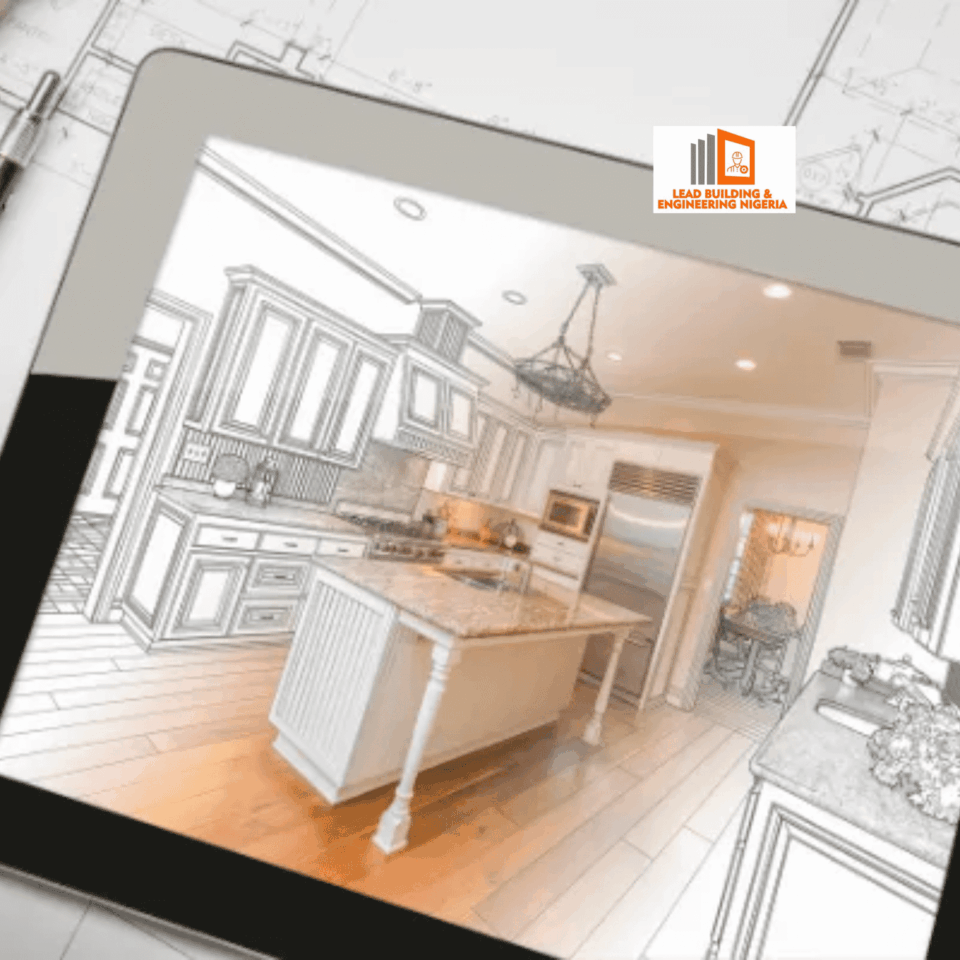
Start by conducting a thorough site assessment, reviewing the existing structure, and identifying potential constraints. Use digital visualization tools such as 3D scanning, BIM (Building Information Modeling), and virtual layout simulations. These tools reduce guesswork, prevent design inconsistencies, and allow clients to visualize the end product before any physical work begins.
With these visual insights, contractors reduce change orders, avoid rework, and minimize material waste.
Precision Tools and Construction Technology
In modern high-precision remodeling projects, the use of specialized tools is essential. Laser-guided measuring devices, precision saws, automated leveling equipment, and CNC machining help ensure accuracy in cuts, alignment, and installation.
Equally important is the role of technology. Construction teams today employ:
- AI-powered material estimators to predict the exact quantity needed
- Digital project management dashboards for real-time tracking
- With IoT sensors, these smart tools are performance monitoring.
- Drone-based overhead inspections and structural mapping
These innovations drastically cut human error, support consistency, and improve quality control across each phase.
Employ smart material selection and waste reduction techniques.
Material selection plays a major role in achieving successful high-precision remodeling projects. Better materials minimize long-term maintenance, enhance the structural integrity of the building, and reduce waste emanating from defects or early failures.
A few of the waste-reduction techniques that might be applied include:
- Just-In-Time (JIT) deliveries that reduce on-site clutter and prevent material damage
- Prefabrication – the process of making components precisely to specifications
- Recycling and repurposing leftover materials
- Cut optimization tools determine the most efficient way to divide materials
Also, choosing sustainable materials, such as engineered wood, recycled steel, and energy-efficient fixtures, helps not only to decrease waste but also to improve property value.
Upgrade workflows with AI and automation.
AI has turned into an indispensable component of contemporary construction. For those teams handling high-precision remodeling projects, AI-driven solutions advance forecasting, early detection of potential risks, and the optimization of resource distribution.
Examples include:
- AI-driven risk detection to identify structural weaknesses before they escalate
- Automated Scheduling Algorithms reduce project delays.
- Machine learning models that improve quality prediction
- Real-time chatbots and AI assistants respond instantly to customer inquiries
- Predictive analytics that optimizes labor deployment and task sequencing
What does it all say about AI? The next wave of remodeling success is anchored upon driving more intelligent systems that can learn from each engagement across every project and improve their accuracy and efficiency.
The answer is increasingly seeming to be yes.
Quality Control Rigorously at Each Stage
Quality is not negotiable, especially in high-precision remodeling jobs. The tiniest oversight may well snowball into structural flaws, safety perils, or expensive rework.
Superior standards:
- Perform multi-stage inspections during demolition, construction, and finishing stages
- Employ digital checklists to confirm if compliance occurs at each milestone
- Document the progress with geo-tagged photos and videos
- Calibrate all the tools periodically for accuracy in measurement
- Continuously train workers on updated safety and precision practices
Quality control should never be done belatedly; it must be inbuilt into the workflow right from inception to completion.
Foster transparent communication with clients and teams.
High-precision remodeling projects need regular, clear communications to flow smoothly; misunderstandings lead to delays, unnecessary expenses, and dissatisfaction.
Use technology to ensure transparency:
- Shared progress dashboards
- Milestone and material delivery notifications rolled out automatically
- Digital Approvals for Variations or Design Adjustments
- Centrally managed communication platforms for reduced message gaps
The best remodeling outcomes for clients, architects, engineers, and construction teams are realized when visibility and mutual understanding are complete.
Embody Skilled Craftsmanship and Professional Expertise
Advanced tools and technologies for AI, nonetheless, rest on human skills at the core of high-precision remodeling projects. These skilled professionals have an intuitive understanding of building behavior, architectural coherence, and structural durability that technology alone cannot match.
Make sure your group includes:
- Experienced structural engineers
- Certified installers
- Precise carpenters
- Trained technicians for smart home and mechanical installations
- Renovation experts with practical knowledge of traditional and modern techniques.
When craftsmanship and technology work together, the result is unmatched remodeling excellence.
Provide post-project evaluation and long-term maintenance planning
The final step in high-precision remodeling projects is a structured post-construction evaluation. This ensures the project meets all quality benchmarks and that no minor issues escalate over time.
Conduct:
- A full walkthrough with the client
- Performance Testing
- Electrical, Plumbing, and Mechanical Systems
- Safety checks
- Documentation of materials and warranties
- Recommendations for Long-term Management
This final touch builds trust, reinforces professionalism, and increases future referrals.
Conclusion
Executing high-precision remodeling projects with minimal waste and maximum quality requires a blend of innovative planning, cutting-edge technology, sustainable materials, skilled craftsmanship, and consistent oversight. By integrating AI tools, precision equipment, and smart workflow management, construction teams can achieve exceptional remodeling outcomes that stand the test of time. For homeowners, businesses, and developers seeking superior remodeling results, Lead Building and Engineering is your trusted partner. Reach out today to transform your space with unmatched precision, efficiency, and excellence.
