
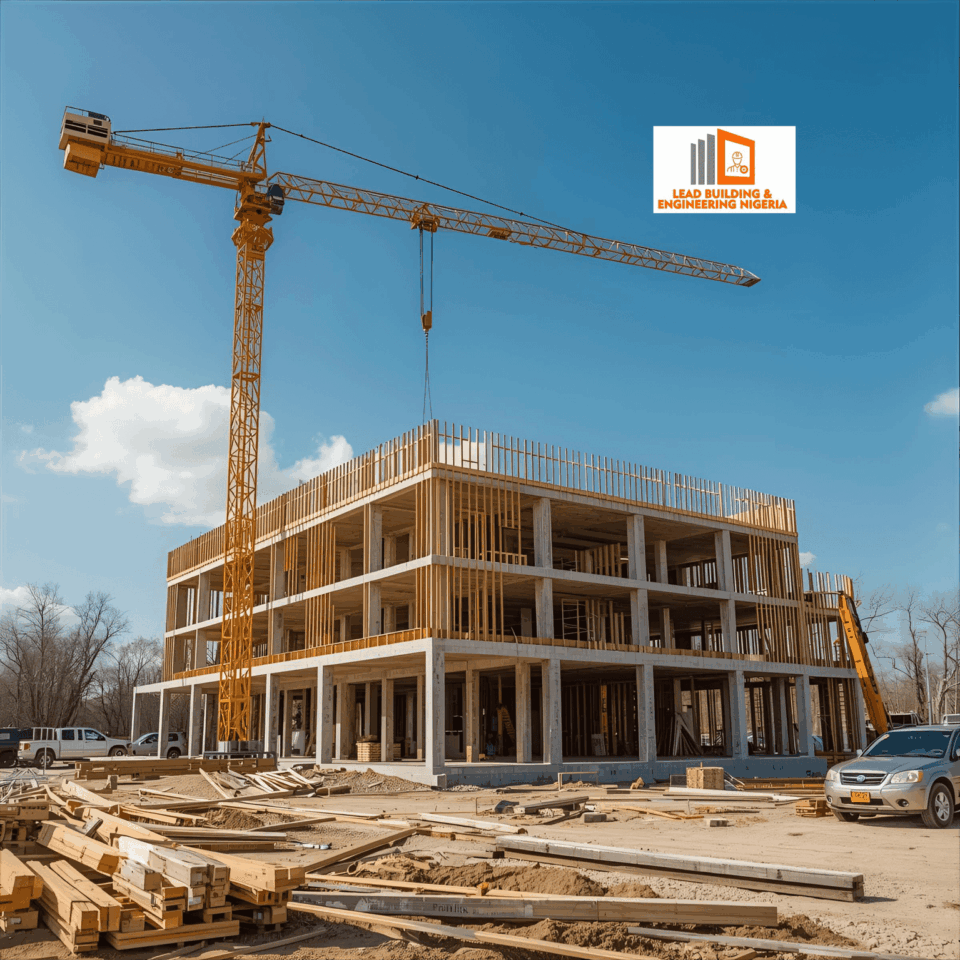
Affordable building methods are revolutionizing the way we consider contemporary construction projects. In a world where infrastructure and real estate costs are on the increase, developers, investors, and homeowners are all turning to means to cut down on costs without losing quality. These affordable building methods marry cost-saving, sustainability, and advanced technology in order to deliver long-term outcomes. From the selection of materials to designing for optimal returns, all efforts are to make construction accessible and at the same time maintaining the integrity, durability, and beauty of each project.
With this era of digital transformation, artificial intelligence (AI) has also been a useful friend in the construction industry, helping experts decide on the most affordable method of construction for specific project needs through predictive analysis and self-design solution.
Prefabrication and Modular Construction
The most cost-effective construction method is prefabrication, which involves the construction of building components off-site and later assembling them on-site. Prefabrication reduces labor cost significantly, time, and material wastage.Modular construction takes prefabrication a step further by including entire sections, i.e., walls, floors, and roofs, that factories build before transporters move them to the site.
The precision of prefabrication guarantees that every part is built to stringent quality standards, resulting in energy-efficient and long-lasting buildings. AI technology can also model the construction process now, predict potential vulnerabilities in the building, and recommend cost-saving construction techniques that minimize waste and mistakes.
Use of Locally Sourced Materials
One of the most significant methods among affordable building methods is utilizing local materials. Importation of building materials is typically expensive by virtue of transport and customs duty. With the utilization of local material like clay, laterite, bamboo, or recycled steel, contractors save capital while encouraging local economies.
These materials can be engineered to local weather conditions and local taste so that they are both cost-effective and durable. Combined with AI-based supply chain management software, contractors can easily monitor those suppliers who offer the best price, availability, and sustainability scores, making regional sourcing one of the most prudent cost-effective building practices in today’s construction.
Energy-Efficient and Sustainable Designs
Affordability is hand in hand with sustainability. Among the cost-saving building methods that save money in the long term is to employ energy-efficient designs. Cross-ventilation, insulation, passive solar designs, and energy-efficient lighting can greatly reduce utility bills. The use of renewable energy systems like solar panels also boosts self-reliance and puts a premium on buildings in the long term.
AI design software can analyze angles of sunlight, airflow, and temperature gradients to recommend the most optimal building direction and building material. This integration of AI in green architecture ensures that economically viable construction methods achieve not only ecological goals but also the efficiency standards of today.
Reinforced Earth and Low-Cost Foundations
For stability and resilience-required projects, low-cost foundation systems and reinforced earth methods are proving to be cost-effective construction methods. Instead of spending heavily on concrete and steel reinforcing material, engineers can opt for geosynthetics, compacted earth, or gravel-based systems for imparting structural strength.
These techniques are especially useful in rural or semi-urban communities where resources are limited but the need for longevity is great. AI-driven high-end building software can simulate soil response and recommend the best cost-saving low-cost building methods based on terrain, soil integrity, and capacity to bear loads, economizing costly trial-and-error in foundation construction.
Recycled and Alternative Building Materials
Recycling is behind most affordable building methods. Using concrete aggregates, fly ash bricks, and compressed earth blocks for reuse lessens wastage and cost. They provide good thermal insulation as well as sound insulation and are typically more long-lasting than traditional materials when handled right.
AI can be a game-changer here by analyzing recycled material performance data, projecting lifespan, and choosing combinations that provide optimal quality with the lowest cost. Smart decision-making like this means adopting economical construction practices does not mean substandard quality, it means building more intelligently.
Simplified Architectural Designs
Such complicated designs are more likely to result in increased material, labor, and project duration costs. Hence, one of the most pragmatic cost-effective methods of construction is streamlined architecture. This implies designing buildings using simple lines, efficient floor plans, and low levels of ornamentation while holding a balance between structural integrity and good looks.
Through focus on utility and space efficiency, simpler designs allow for faster construction and reduced costs. AI-driven 3D modeling tools can assist architects in coming up with design alternatives considering cost and creativity, where clients can visualize the outcome before starting. This smart approach addresses the efficiency of inexpensive construction methods with aesthetic appeal.
Labour Optimization Through Technology
Labor costs make up a significant portion of the budget for any construction project. Through automation, software-based project scheduling, and employee training, contractors can prevent wasteful spending. Through the utilization of project scheduling computer software and artificial intelligence-based scheduling systems, teams can predict workflow bottlenecks, appropriately delegate tasks, and minimize downtime.
When combined with cost-efficient construction methods, such as prefabrication or module construction, the technologies ensure optimal utilization of labor, which improves quality without raising expenditure. The future of building is one that combines human skill and machine intelligence to achieve the best results.
Smart Construction Management and AI Integration
The process of building construction is rapidly evolving with the integration of AI and machine learning into operations. Predictive analytics, risk assessment, and automated budgeting tools are helping companies decide cost-efficient construction methods that meet project goals without exceeding budgets.
Artificial intelligence can anticipate weather patterns, materials supply, and market price changes to make quality cost-effective decisions in advance. Today, the construction industry asks not if AI can help, but how far it can drive smarter, greener, and more cost-efficient building.
Conclusion: Building the Future with Affordability and Excellence
In the era of rising costs and new technologies, cost-effective building methods hold a promising future for builders, homeowners, and investors. Combining locally sourced materials, modular building, energy-efficient systems, and AI-solutions, building can be cost-effective and of high quality.
Any home, factory, office complex, or building needs to be built smart, precise, and care-oriented. At Lead Building Engineering, we specialize in implementing these budget-friendly building methods to deliver excellence on budget. If you are preparing to embark on a new project or refinance one in progress, contact Lead Building Engineering today and make innovation, quality, and affordability the foundations of your next building success story.
