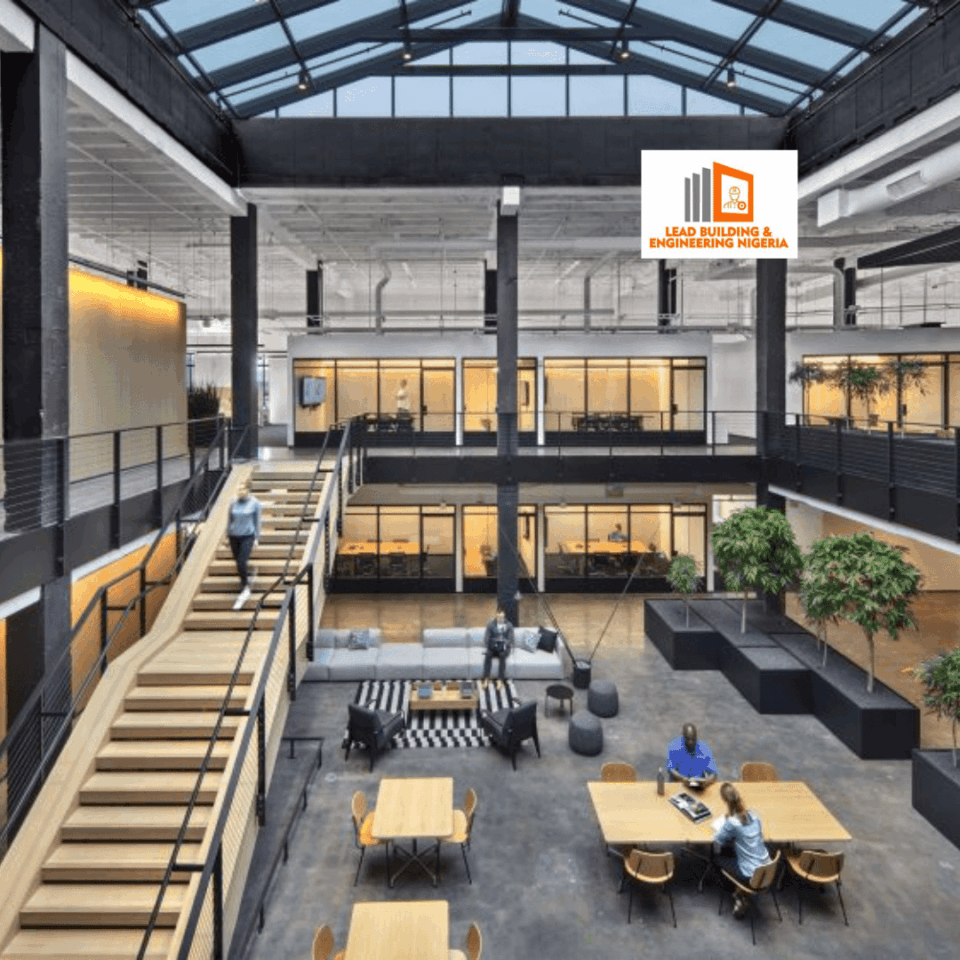
Adaptive reuse is the act of reusing existing structures for new purposes other than what they were originally designed for. This practice of sustainable development breathes new life into underused or derelict buildings, transforming them into modern residential, commercial, or mixed-use properties. In comparison to demolition and reconstruction, adaptive reuse offers numerous environmental, economic, and cultural benefits, making it increasingly attractive to developers, communities, and policymakers.
The Environmental Imperative
The construction industry is a significant contributor to global carbon emissions and material consumption. This act addresses these concerns directly by avoiding waste and conserving embodied energy – the energy already inherent in the existing building’s materials and construction.
Reduced Waste Through the preservation of existing buildings, This System substantially lowers the amount of construction and demolition waste dumped in landfills.
Conserved Resources: The need for new materials is minimized, lessening the need for resource extraction, production, and transport.
Lower Carbon Footprint: Retaining the existing building fabric avoids the energy-intensive process of producing new building materials, leading to a lower overall carbon footprint.
Economic Benefits
Adaptive reuse projects can deliver significant economic advantages over new buildings, attracting investment and stimulating local economies.
Cost Savings: Adaptive reuse is often cheaper than new construction, particularly when including demolition, site preparation, and new infrastructure expenses.
Faster Project Timelines: The system projects can often be completed earlier than new construction, which means faster returns on investment.
Increased Property Values: Adaptive reuse projects can revitalize a community and increase property values, which makes an area more desirable for new residents and businesses.
Tax Credits and Grants: Tax credits and grants exist in most jurisdictions to encourage adaptive reuse, which makes adaptive reuse projects even more financially feasible.
Preserving Cultural Heritage
This act is important in preserving cultural heritage because it preserves historically significant buildings and landmarks.
Maintaining Architectural Character: Adaptive reuse developments retain the unique architectural character and historical details of the original buildings, providing a tangible link to the past.
Establishing a Sense of Place: By retaining historic structures, adaptive reuse developments contribute to a stronger sense of place and communal identity.
Educating Future Generations: Adaptive reuse projects provide opportunities to educate future generations about the culture and history of their society.
Design Considerations
The proposals require diligent consideration of several key design factors to realize functionality, sustainability, and aesthetics.
Structural Integrity: The structural integrity of the existing building must be seriously considered to determine its safety and stability.
Building Systems: There needs to be an evaluation and improvement of building systems, such as HVAC, electrical, and plumbing, to meet current standards and energy efficiency requirements.
Accessibility: Bringing the building up to accessibility standards for persons with disabilities is a major concern, and it often requires creative solutions to retrofit older spaces.
Integration of Modern Design: Blending modern design elements with the existing building fabric has the potential to create a unique, visually appealing aesthetic when combined effectively.
Energy Efficiency: Energy efficiency strategies, such as increased insulation, high-performance windows, and renewable energy systems, need to take precedence to create sustainable adaptive reuse developments.
Lead Building Engineering: Your Partner in Adaptive Reuse Solutions
At Lead Building Engineering, we understand the unique challenges and opportunities of adaptive reuse projects. Furthermore, our team of seasoned professionals offers a complete set of services to navigate you through the complexities of such projects, right from initial assessment and design to construction and commissioning.
In addition, we specialize in integrating Engineering systems into adaptive reuse projects for maximum energy efficiency and minimum environmental impact. Consequently, our services encompass:
Energy Audits and Assessments: We conduct thorough energy audits to identify areas of improvement and recommend cost-effective energy efficiency solutions.
Renewable Energy System Design and Installation: We design and install solar photovoltaic (PV) systems, solar thermal systems, and other renewable energy systems tailored to your specific energy needs.
Energy Storage Solutions: We offer energy storage solutions to maximize the use of renewable energy and have a backup during outages.
Building Automation and Control Systems: We install advanced building automation and control systems to optimize energy performance and make buildings more comfortable for occupants.
Financing and Incentive Assistance: We navigate you through the complex network of financing alternatives and incentives for renewable energy projects.
Conclusion
Adaptive reuse is a powerful approach to sustainable development that provides a triple bottom line of environmental, economic, and cultural benefit. Through providing new uses for old buildings, we can reduce waste, conserve resources, preserve cultural heritage, and promote vibrant, active communities.
We invite you to visit our website at Lead Building Engineering to learn more about our company and our background in adaptive reuse projects. Contact us today to discuss your project and see how Lead Building Engineering can help you achieve your sustainability goals. Let us be your partner in creating a better, more sustainable tomorrow with innovative adaptive reuse solutions.
