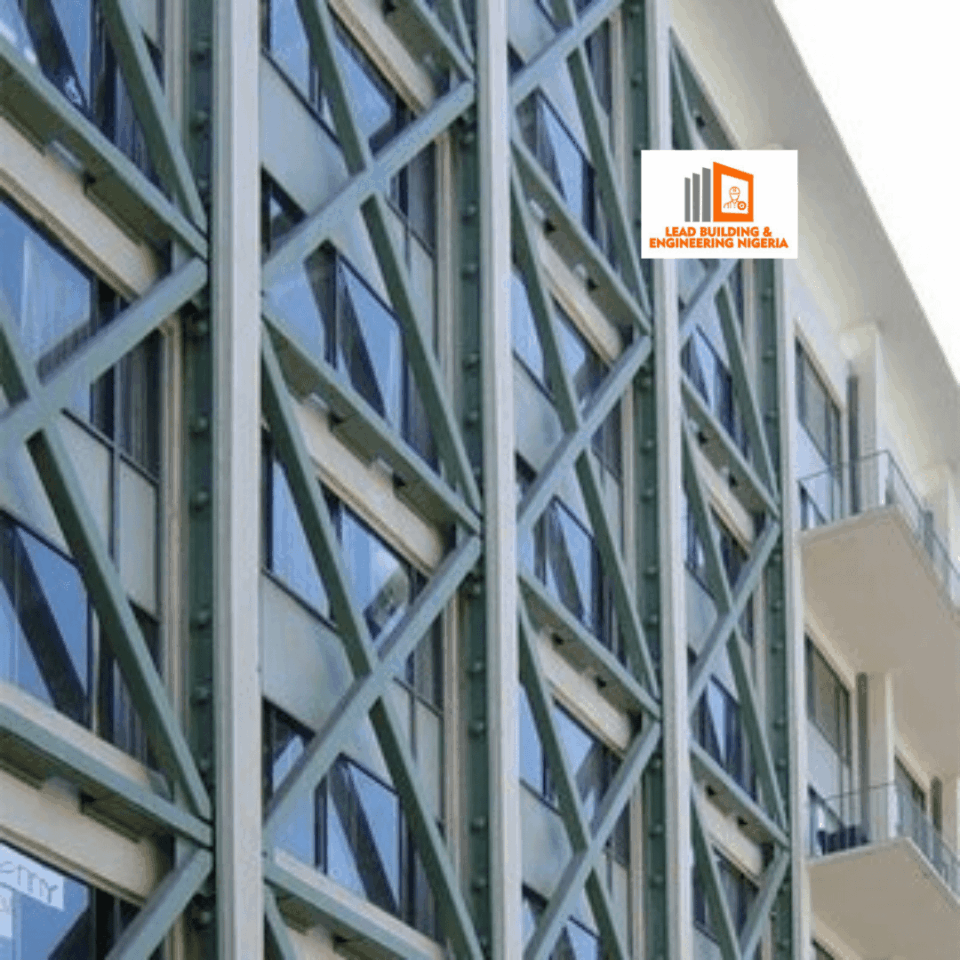
The built environment is a mosaic that is constructed over time, with older buildings an integral and often cherished part. However, these buildings, built to earlier codes and technologies, often lack the safety and efficiency of today. Retrofitting offers a means, breathing new life into these buildings while upgrading them to the demands of the 21st century.
Why Retrofit? Beyond Aesthetics
Retrofitting extends beyond cosmetic enhancements. It addresses significant vulnerabilities that impact:
Safety: Older buildings do not always provide adequate fire suppression, seismic improvement, or accessibility provisions. Retrofitting addresses vulnerabilities, protecting occupants while meeting code requirements.
Energy Efficiency: Old insulation, single-glazed windows, and outdated HVAC systems for inefficient energy use are major causes of energy waste and loss. Retrofitting slows down energy consumption, saving the cost of operations and the environmental impact.
Functionality: Changing requirements are likely to render older structures functionally obsolete. Retrofitting provides the ability to reconfigure space for new functions, optimizing workflow and user satisfaction.
Preservation: Retrofitting provides the ability to preserve the historic integrity of older structures while rehabilitating them for modern use. This solution balances heritage with functional capabilities.
Property Value: Making a building suitable for current standards appreciably increases its value for sale, making it an excellent investment.
Retrofitting Process: A Multi-Faceted Approach
Successful retrofitting requires an entire and organized process with the steps outlined as follows:
- Evaluation: Detailed review identifies areas that require upgrading, such as structural weaknesses, energy inefficiencies, and safety hazards.
- Planning: From evaluation, a detailed plan is prepared, outlining specific upgrades, materials purchase, and budget issues.
- Design: Engineer and architect designs are created so the retrofits are both functional and aesthetically pleasing, and meet code and regulation requirements.
- Execution: Skilled contractors implement the retrofit plan with minimal disruption and high-quality results.
- Verification: Post-retrofit testing and inspection ensure that the enhancements are at the desired level of performance and conform to all the applicable codes.
Key Areas of Focus in Retrofitting
While each project is unique, some locations typically receive priority status in retrofitting:
Structural Reinforcement: Securing foundations, walls, and roofs against seismic forces and other external pressures is fundamental to the building’s long-term stability.
Energy Efficiency Improvements: Installing high-performance insulation, window and door replacement with energy-efficient materials, and upgrades to HVAC systems reduce energy consumption by a significant amount and reduce utility bills.
Enhancements to Fire Safety: Installation of modern fire extinguishing systems, upgrades to fire retardant materials, and provision of well-marked escape routes enhance the safety of the occupants during a fire outbreak.
Adherence to Accessibility: Installation of ramps, lifts, and accessible toilets ensures people with disabilities can use and enter the building completely.
Technology Integration: The incorporation of up-to-date wiring, communications, and security technologies readies the building for the needs of the latest technology, enabling problem-free connectivity and improved security.
Challenges and Considerations
Retrofitting has specific challenges that differ from new construction:
Unforeseen Conditions: Conditions in place may vary from original specifications, necessitating a change in the retrofitting plan.
Code Compliance: Compliance with changing building codes and regulations can be problematic, involving expert knowledge.
Disruption: Retrofitting can be inconvenient to building occupants, requiring well-planned execution to reduce inconvenience.
Cost Management: Cost estimation and budget management must be accurate, particularly when unexpected problems occur.
Historical Preservation: Maintaining a balance between up-grading to the latest technology and preserving historical details demands expertise and sensitivity.
Conclusion: Partner with Lead Building Engineering for Effective Retrofitting
Retrofitting existing buildings is a complex but unavoidable operation, requiring skill and experience. Lead Building Engineering possesses the expertise to guide you through every step of retrofitting, from initial assessment to final confirmation. With a focus on quality, creativity, and client satisfaction, we offer retrofitting services that enhance security, maximize efficiency, and preserve the value of your property.
We understand the unique challenges of retrofitting and offer a cooperative process, closely working with clients to develop customized solutions that meet their specific needs and budget. Our experienced engineers, architects, and project managers are dedicated to delivering exceptional results, completing your retrofitting project on time, within budget, and to the best quality standards.
Ready to transform your old building into a new, safe, and efficient building? Visit our website at Lead Building Engineering to see our portfolio and learn more about our retrofitting services. Contact Lead Building Engineering today to schedule a consultation. We can assist you in achieving the maximum potential of your existing building.
