
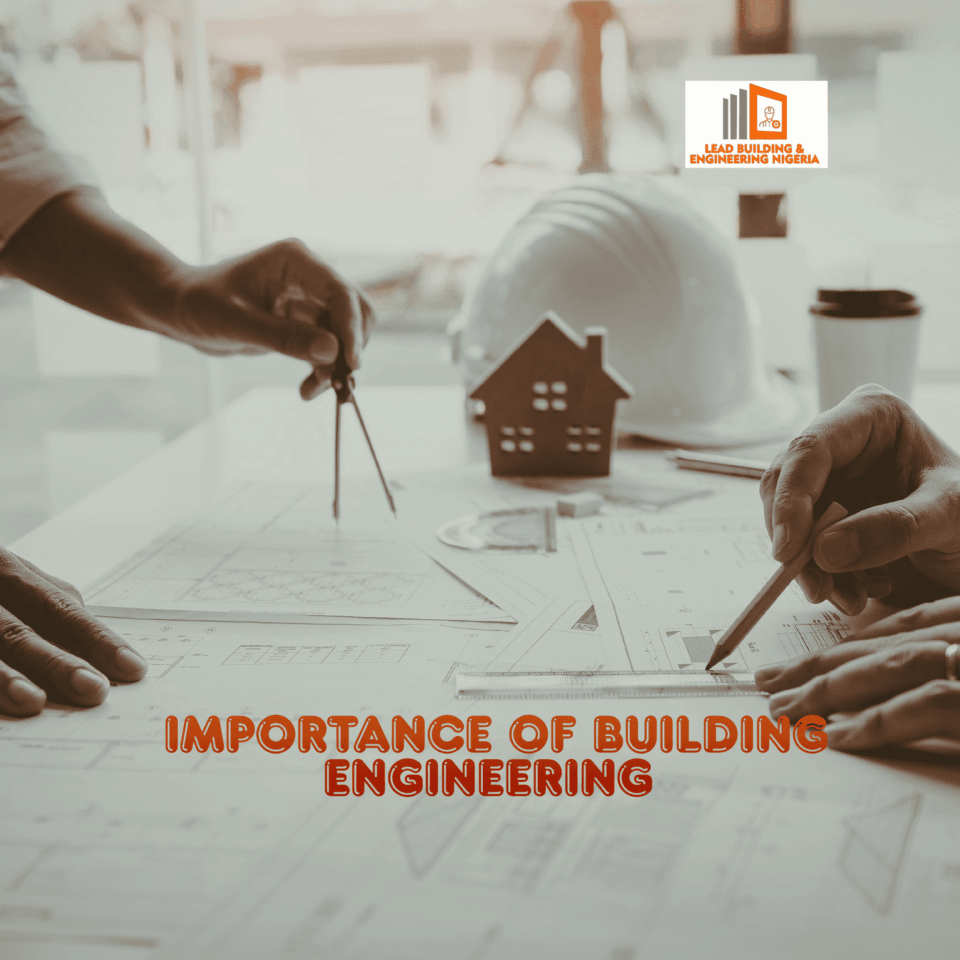
The safety of any structure, whether residential, commercial, or industrial, does not happen by chance. It is the result of careful planning, technical expertise, and strict adherence to engineering principles. At the heart of this process lies the importance of building engineering, which ensures that buildings can withstand loads, environmental forces, and daily human use without putting lives at risk. From the foundation beneath our feet to the roof above our heads, building engineering plays a critical role in protecting occupants, assets, and communities. This article explores why building engineering is essential for safety, using real-world considerations and a human-centered perspective.
Structural Integrity and Load Management
One of the most fundamental reasons for the importance of building engineering is its role in ensuring structural integrity. Buildings must safely carry their own weight, the weight of occupants, furniture, equipment, and additional loads such as wind, rain, or seismic activity. Building engineers calculate these loads accurately and design structural systems, beams, columns, slabs, and foundations, that can support them over the building’s lifespan.
Without proper engineering, structures may suffer from excessive deflection, cracking, or even sudden collapse. These failures are often catastrophic, leading to injuries, loss of life, and financial devastation. Sound building engineering transforms abstract calculations into real-world safety, ensuring that structures remain stable under both normal and extreme conditions.
Foundation Design and Ground Stability
The importance of building engineering is especially evident in foundation design. A building is only as strong as the ground it stands on, and engineers must thoroughly understand soil conditions, groundwater levels, and site-specific risks before construction begins. Poorly designed foundations can lead to uneven settlement, tilting, or structural failure over time.
Building engineers conduct soil tests and geotechnical assessments to determine the most suitable foundation type, strip, raft, pile, or combined systems. This careful analysis prevents long-term safety issues and ensures that the building remains secure, even in challenging environments such as flood-prone or expansive soil areas.
Fire Safety and Life Protection Systems
Another critical area highlighting the importance of building engineering is fire safety. Engineers design buildings to slow the spread of fire, allow safe evacuation, and minimize structural damage during fire incidents. This includes specifying fire-resistant materials, proper compartmentalization, escape routes, staircases, and smoke control systems.
Building engineering also integrates fire detection, alarm systems, and sprinkler installations into the overall design. These systems are not added as afterthoughts; they are carefully engineered to work together during emergencies. A well-engineered building can mean the difference between a controlled incident and a tragic loss of life.
Compliance With Building Codes and Regulations
The importance of building engineering is closely tied to compliance with local and international building codes. These regulations exist to protect public safety, based on lessons learned from past failures and evolving scientific knowledge. Building engineers interpret and apply these codes correctly, ensuring that every aspect of construction meets required safety standards.
Non-compliance can lead to legal consequences, unsafe structures, and increased risk for occupants. By following approved standards, building engineers act as guardians of public trust, ensuring that buildings are not just functional but legally and ethically safe.
Environmental and Climate Resilience
Modern construction faces increasing environmental challenges, further emphasizing the importance of building engineering. Engineers must account for climate-related risks such as heavy rainfall, extreme heat, strong winds, and rising sea levels. Buildings that are not engineered with these factors in mind may deteriorate quickly or fail during extreme events.
Building engineering promotes resilience by incorporating drainage systems, thermal control, wind-resistant designs, and sustainable materials. These measures protect occupants while also extending the lifespan of structures. As climate patterns continue to change, safety-driven engineering becomes more critical than ever.
Human Comfort and Everyday Safety
Beyond major disasters, the importance of building engineering also lies in everyday safety and comfort. Properly engineered buildings reduce risks such as slips, falls, poor ventilation, excessive noise, or indoor air quality issues. Engineers design staircases, corridors, lighting, and mechanical systems with human behavior in mind.
For example, adequate ventilation reduces health risks, while proper lighting prevents accidents. These details may seem small, but collectively they shape how safe and comfortable people feel within a space. Building engineering ensures that safety is embedded into daily living, not only during emergencies.
The Role of Technology and AI in Building Safety
As technology evolves, the importance of building engineering is being strengthened by artificial intelligence and digital tools. AI-driven design software can simulate structural behavior, predict failure points, and optimize safety measures before construction even begins. Could AI eventually detect safety risks in buildings before humans notice them?
Engineers now use smart sensors, digital twins, and predictive analytics to monitor buildings in real time. These innovations enhance safety by allowing early detection of structural stress, material fatigue, or system failures. While AI does not replace human judgment, it significantly improves the accuracy and reliability of engineering decisions.
Ethical Responsibility and Public Safety
The importance of building engineering goes beyond technical calculations, it carries a strong ethical responsibility. Engineers are entrusted with protecting human lives, and every design decision has real-world consequences. Cutting corners, using substandard materials, or ignoring safety warnings can result in irreversible harm.
Responsible building engineering prioritizes safety over cost savings or speed. It reflects a commitment to professionalism, accountability, and respect for human life. This ethical dimension is what separates truly safe buildings from merely functional ones.
Conclusion
In every sense, the importance of building engineering cannot be overstated when it comes to safety. From structural stability and fire protection to environmental resilience and everyday comfort, building engineering forms the backbone of safe construction. It combines science, experience, technology, and ethics to create spaces where people can live, work, and thrive without fear.
For clients seeking safe, reliable, and professionally engineered buildings, it is essential to work with experts who prioritize safety at every stage. Clients are encouraged to reach out to Lead Building and Engineering for trusted building engineering solutions that place safety, quality, and long-term value first.
