
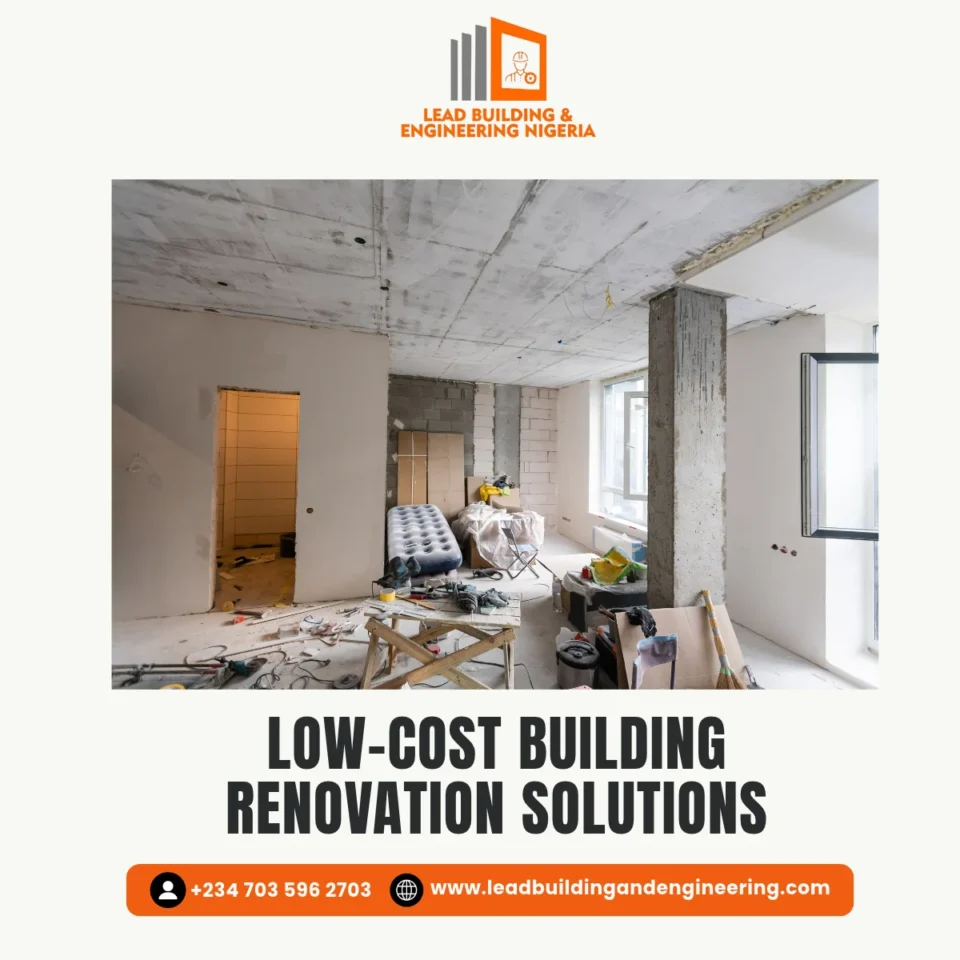
Maintaining an estate can be expensive, especially when several buildings, shared facilities, drainage systems, and other infrastructure require attention. However, improving the appearance, functionality, and safety of an estate does not always require a massive financial investment. With proper planning, smart material selection, and professional execution, property owners and estate managers can achieve excellent results without exceeding their budgets. This is where low-cost building renovation solutions become valuable.
Whether you manage a residential estate, commercial property, apartment complex, or private housing development, identifying affordable ways to maintain and upgrade buildings can protect property value and improve residents’ experiences. From repainting walls and repairing roofs to upgrading plumbing and improving outdoor spaces, low-cost building renovation solutions offer practical ways to make estates more attractive, comfortable, and functional.
Repainting Walls and Improving Exterior Finishes
Choose Affordable, Durable Paint
One of the simplest low-cost building renovation solutions for improving an estate is repainting its buildings. Over time, exposure to sunlight, rain, dust, and humidity can make exterior walls appear faded, dirty, or unattractive. A fresh coat of quality paint can immediately improve the appearance of residential and commercial properties.
Estate managers can select durable but affordable paint products that complement the architectural design of the buildings. Neutral colours can create a clean and coordinated appearance across multiple properties. Before painting, walls should be properly cleaned, cracks filled, and damaged surfaces treated to prevent premature peeling.
Repairing Roofs Instead of Replacing Them Completely
Identify and Fix Roofing Problems Early
Roof replacement can consume a significant renovation budget. However, not every roofing problem requires a complete replacement. Some low-cost building renovation solutions involve repairing minor leaks, replacing damaged roofing sheets, fixing loose roof fittings, and improving waterproofing.
Regular roof inspections can help estate managers identify problems before they cause serious structural damage. Addressing water penetration early also protects ceilings, electrical installations, walls, and interior finishes. Where the roof structure remains sound, targeted repairs may provide a more affordable alternative to installing an entirely new roof.
Improving Plumbing Systems
Fix Leaks and Replace Damaged Fixtures
Faulty plumbing can increase water bills, damage walls, weaken building finishes, and create uncomfortable living conditions. Among the most practical low-cost building renovation solutions is identifying and repairing leaking pipes, damaged taps, faulty toilet systems, and blocked drainage outlets.
Rather than replacing an entire plumbing network, estate managers can arrange professional inspections to identify the specific areas requiring attention. Installing affordable water-efficient taps and shower fittings can also help reduce unnecessary water consumption. These improvements support better water management while preventing expensive repairs in the future.
Upgrading Lighting and Electrical Installations
Adopt Energy-Efficient Lighting
Lighting improvements can make an estate more attractive while reducing electricity consumption. Installing LED bulbs in corridors, staircases, security areas, parking spaces, and outdoor walkways is one of the effective low-cost building renovation solutions estate managers can consider.
LED lighting generally consumes less electricity than traditional lighting options and has a longer operating lifespan. However, electrical renovation should not focus on appearance alone. Damaged wiring, overloaded circuits, faulty switches, and exposed cables should be inspected and corrected by qualified electricians to improve safety.
Renovating Kitchens and Bathrooms
Focus on Essential Improvements
Kitchens and bathrooms are important spaces that influence the overall appeal of residential properties. Fortunately, improving these areas does not always require complete reconstruction. Some low-cost building renovation solutions include replacing damaged cabinet handles, repairing leaking sinks, updating taps, regrouting tiles, repainting suitable surfaces, and replacing broken bathroom accessories.
Estate owners can also improve kitchen storage by installing affordable shelves and reorganising existing cabinets. In bathrooms, fixing poor drainage and replacing worn-out fixtures can make the space more comfortable and hygienic without undertaking an expensive renovation project.
Improving Estate Drainage Systems
Prevent Flooding and Water Accumulation
Poor drainage can create serious problems for estates, particularly during the rainy season. Standing water, blocked gutters, overflowing drainage channels, and erosion can damage buildings and surrounding infrastructure.
Effective low-cost building renovation solutions include clearing blocked drains, repairing damaged drainage covers, removing accumulated debris, and improving water flow around buildings. Where necessary, professionals can recommend targeted drainage modifications to address recurring flooding problems.
Routine maintenance is especially important because preventing drainage problems is often less expensive than repairing damage caused by prolonged water accumulation.
Revitalising Outdoor Spaces and Landscaping
Create Attractive Shared Environments
An estate’s outdoor environment contributes significantly to its overall appearance and residents’ satisfaction. Affordable landscaping is among the low-cost building renovation solutions that can transform neglected communal areas into welcoming spaces.
Estate managers can introduce low-maintenance plants, trim overgrown trees, repaint boundary walls, repair walkways, and maintain existing green spaces. Damaged benches and outdoor seating can also be repaired instead of replaced.
Simple improvements such as proper waste disposal points, clean walkways, and organised parking areas can make an estate look more professionally managed.
Repairing Doors, Windows, and Security Features
Improve Safety Without Unnecessary Replacement
Damaged doors, broken window fittings, faulty locks, and loose hinges can affect both building security and functionality. Instead of replacing every door and window, estate managers can explore low-cost building renovation solutions such as repairing existing frames, replacing damaged handles, installing affordable locks, and fixing faulty hinges.
For windows, replacing broken glass, repairing frames, and improving sealing can enhance comfort and reduce unwanted air and water penetration. Security lighting and functional access gates can also improve the general safety of shared estate environments.
Use Preventive Maintenance to Reduce Renovation Costs
Develop a Regular Maintenance Schedule
One of the smartest low-cost building renovation solutions is preventing small building defects from becoming expensive structural problems. Estate managers should establish regular inspection schedules for roofing, plumbing, electrical installations, drainage, painting, and common facilities.
A preventive maintenance plan makes it easier to identify faults early, prioritise urgent repairs, and allocate budgets effectively. It also helps property owners avoid emergency renovation expenses that could have been prevented through routine inspections.
How Can Artificial Intelligence Support Affordable Estate Renovation?
Can artificial intelligence help estate managers reduce renovation costs? Absolutely. AI-powered building management tools can support maintenance planning by analysing inspection records, identifying recurring faults, tracking maintenance expenses, and helping managers prioritise repairs.
When combined with professional engineering assessments, these technologies can make low-cost building renovation solutions more efficient. For example, digital maintenance platforms can help estate managers monitor plumbing complaints, track electrical faults, and identify buildings that require urgent attention.
AI can also support energy monitoring by identifying unusual electricity consumption patterns. However, technology should complement, not replace, professional building inspections and engineering expertise.
Conclusion
Improving an estate does not always require expensive reconstruction or a complete redesign. Through strategic planning, regular maintenance, affordable materials, and professional workmanship, property owners can achieve meaningful improvements while managing renovation expenses. From repainting buildings and repairing roofs to upgrading electrical systems, improving drainage, and revitalising outdoor spaces, low-cost building renovation solutions provide practical opportunities to maintain attractive, safe, and functional estates.
The key is to identify the most important renovation needs, prioritise safety, and work with experienced professionals who understand building construction and engineering requirements.
Clients should reach out to Lead Building Engineering for professional building renovation, maintenance, construction, and engineering solutions. With the right expertise and a well-planned renovation strategy, your estate can achieve improved functionality, durability, and appearance without unnecessary expenditure.
