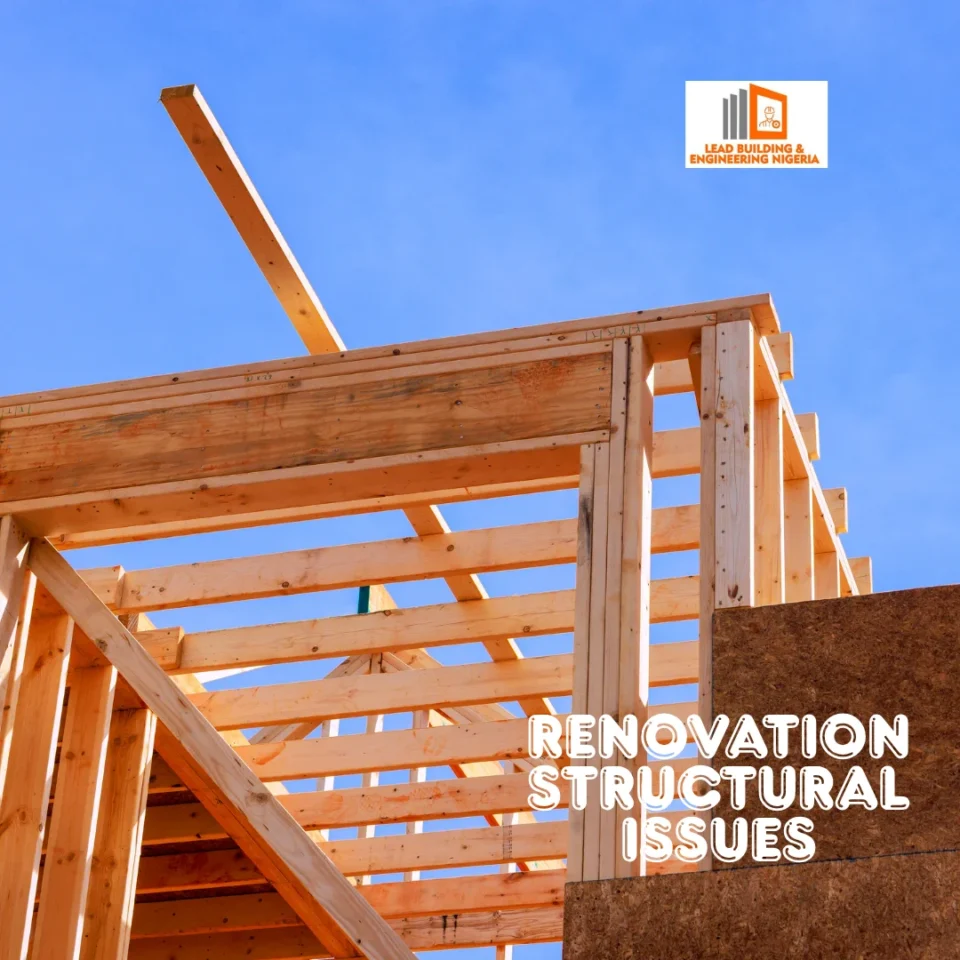
Renovating a home is an exciting endeavor, but it comes with its share of challenges. Among the most critical aspects to monitor are the structural components of the building. Overlooking these can lead to costly repairs, safety hazards, and compromised integrity of your property. Understanding renovation structural issues can save homeowners both time and money while ensuring that their renovation project progresses smoothly. This article explores the most common warning signs, why they matter, and how to address them proactively.
Cracks in Walls and Ceilings
One of the most obvious indicators of renovation structural issues is the presence of cracks. While small hairline cracks are often harmless and caused by normal settling, larger cracks, especially those that are horizontal or diagonal, can signify serious structural concerns. Cracks that appear around door frames, windows, or at corners of walls may indicate that the foundation is shifting or that load-bearing walls are under stress.
When inspecting your property, pay attention to the width and pattern of cracks. Wider cracks (more than 1/4 inch) or those that change over time should be assessed by a structural engineer. Modern AI tools can even analyze photos of cracks and suggest potential causes, helping homeowners prioritize which issues need urgent attention.
Foundation Settling
Foundation settling is a frequent concern during renovations, especially in older homes. Signs of settling include uneven floors, doors or windows that stick, and gaps between walls and flooring. This can be caused by soil movement, water damage, or poor original construction.
Ignoring foundation settling can exacerbate other renovation structural issues, leading to warped floors, bowed walls, or even structural failure in extreme cases. Homeowners should monitor floor levels with a simple laser level or hire professionals to conduct a foundation survey. AI-powered software can now predict potential settling issues based on historical data and soil composition, giving you a proactive edge in your renovation planning.
Bowed or Leaning Walls
Bowed walls often indicate pressure from soil outside the foundation or weakened structural support inside. These walls may appear slightly curved or lean inward, and they can be dangerous if not addressed promptly. Signs of bowing often include cracks in the interior or exterior wall, bulging drywall, or doors that fail to latch properly.
During renovations, addressing bowed walls may involve reinforcing the structure with steel beams, adding support braces, or improving drainage around the foundation. AI-based modeling tools can help simulate structural load changes during renovations, offering insights on how to strengthen walls before undertaking major interior projects.
Roof and Ceiling Concerns
Renovation structural issues are not limited to walls and foundations, roofs and ceilings also deserve close attention. Sagging ceilings, exposed beams showing signs of rot, or uneven rooflines can indicate that the roof structure is compromised. Moisture intrusion from leaks can accelerate damage to wooden joists, trusses, and support beams.
Before adding new features like skylights, lofts, or extended rooms, ensure that the existing roof can bear additional weight. AI inspection tools can scan and analyze roof structure through imagery and thermal mapping, helping detect hidden weaknesses that could lead to future structural problems.
Floor Integrity
Floors often reveal early signs of underlying structural issues. Uneven or sloping floors may result from foundation settling, water damage, or decayed joists. Wooden floors that squeak excessively or tile floors that crack unexpectedly are also red flags.
During renovations, floor reinforcement may be necessary to ensure safety and longevity. Professional floor assessments, sometimes enhanced by AI-driven scanning, can identify problem areas that are not visible to the naked eye, allowing for targeted repairs before completing major remodeling tasks.
Water Damage and Moisture Problems
Moisture is a silent but potent contributor to renovation structural issues. Leaks, dampness, or flooding can weaken foundations, cause wood rot, and promote mold growth. Look for staining on walls, ceilings, and floors, as well as musty odors. Basements and crawl spaces are particularly vulnerable.
Proper waterproofing, drainage, and humidity control are essential during renovations. AI sensors now help monitor moisture levels in real-time, alerting homeowners and contractors to hidden water damage that could undermine structural integrity.
Doors, Windows, and Load-Bearing Elements
Finally, malfunctioning doors and windows can indicate stress on the structure. If doors jam, windows fail to close properly, or frames show separation from walls, these may be subtle signs of load-bearing issues. Pay special attention to beams, columns, and load-bearing walls when making design changes or adding new construction elements.
An AI-driven building management system can track movement or shifts over time, helping you understand if minor adjustments are necessary before they evolve into major structural problems.
Conclusion: Protect Your Investment
Monitoring renovation structural issues is essential for a safe and successful home renovation. From cracks in walls and foundation settling to bowed walls and water damage, addressing these problems early protects your investment and ensures your project remains on track. Modern technology, including AI inspection tools, can enhance your ability to detect and manage these issues efficiently.
For expert guidance and professional assessment of renovation structural issues, clients should reach out to Lead Building Engineering. Our team ensures that every renovation project is structurally sound, safe, and tailored to your needs.
